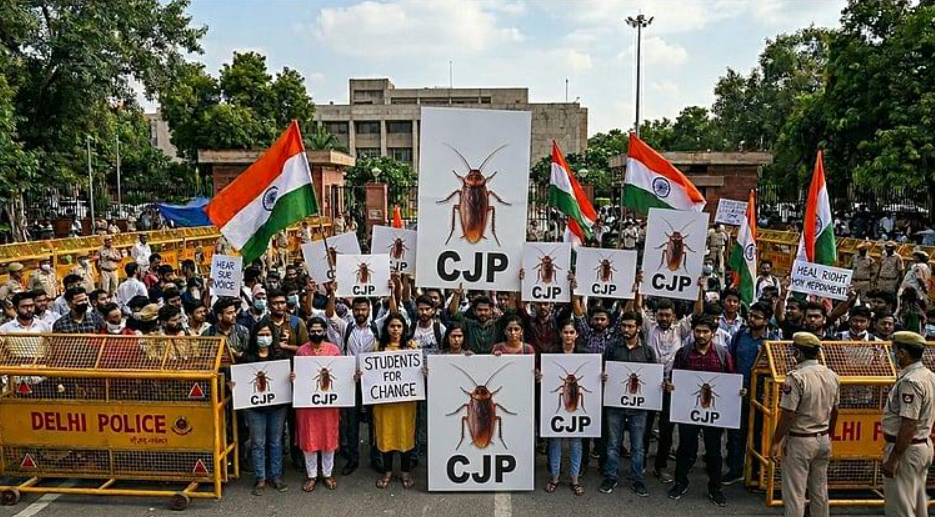
The Cockroach Janta Party (CJP) is not an Election Commission of India-registered political party. It began as a satirical online movement in May 2026, but rapidly evolved into a youth-led protest movement focused on unemployment, examination scandals, education reform, and government accountability.
Who started CJP?
The movement was founded by Abhijeet Dipke, an Indian political communications strategist.
According to multiple reports:
- Formerly worked with the social media team of the Aam Aadmi Party (AAP) between 2020 and 2022.
- Later pursued studies in Public Relations in the United States.
- Started CJP after a controversial court remark comparing unemployed youth to “cockroaches.”
Why was CJP created?
The trigger was a controversial remark made during a Supreme Court hearing.
According to multiple reports, Chief Justice Surya Kant allegedly referred to unemployed youth using the words “cockroaches” and “parasites” during court proceedings.
Abhijeet Dipke responded online by saying, in essence:
“What if all the cockroaches came together?”
That post quickly went viral.
Within days, thousands—and later millions—began following the movement on social media.
Timeline
15 May 2026
- Court remark sparks controversy.
16 May 2026
- Abhijeet Dipke launches Cockroach Janta Party online.
Within 72 hours
- Membership registrations cross one lakh according to the movement.
Following weeks
- Instagram gains millions of followers.
- National media begins covering CJP.
- Offline protests begin.
July 2026
- Large demonstrations are held in Delhi over education issues and alleged examination irregularities.
Why the name “Cockroach”?
According to the founders:
Instead of rejecting the insult, they adopted it.
Their message was:
Cockroaches survive everything.
The cockroach became a symbol of resilience, ignored citizens, and unemployed youth who believe the system has failed them.
Main issues raised by CJP
The movement says it focuses on:
- Youth unemployment
- Examination paper leaks
- Education reforms
- Corruption
- Transparency in recruitment
- Accountability of public institutions
- Cost of living and inflation
These themes have been emphasized in its public messaging and protest campaigns.
Who is associated with CJP?
There is a difference between leading the movement and expressing support.
Leadership
- Abhijeet Dipke — Founder
- Ashutosh Ranka — National spokesperson (reported in media)
Public figures reported to have supported or expressed solidarity
News reports mention support or solidarity from:
- Rahul Gandhi
- Priyanka Gandhi Vadra
- Sonam Wangchuk
Some CJP websites also list names such as:
- Mahua Moitra
- Kirti Azad
- Prashant Bhushan
However, readers should distinguish between being listed as supporters by the movement and holding any formal leadership role within CJP. Independent confirmation varies.
Is CJP a real political party?
At present:
- It is widely described as a satirical political movement.
- It is not registered with the Election Commission of India as a political party.
- It does not currently function like established national political parties.
Why did it become so popular?
Analysts point to several reasons:
- Frustration over unemployment.
- Alleged examination paper leaks.
- Heavy social media engagement.
- Meme culture attracting young users.
- Public debate over education reforms.
- Police action during demonstrations, which drew wider attention.
Controversies
The movement has also faced criticism and questions:
- Critics question whether it can remain politically independent.
- Some have pointed to the founder’s earlier work with AAP.
- Supporters argue that the movement is independent and youth-driven.
- Some claims circulating on social media about CJP remain unverified and should be treated cautiously.
Conclusion
The Cockroach Janta Party (CJP) began as a satirical online response to a controversial court remark but quickly evolved into a youth-focused protest movement centered on education, unemployment, and governance issues. It was founded by Abhijeet Dipke in May 2026 and has since attracted significant online attention and public demonstrations. While several public figures have expressed solidarity with its causes, it is not currently a registered political party, and its future direction remains uncertain.
]]>
There comes a point in life when a person gets tired of chasing approval, explaining themselves, and sacrificing their peace just to keep others happy. Slowly, they begin to realize a painful truth — when self-respect is lost, inner peace disappears too.
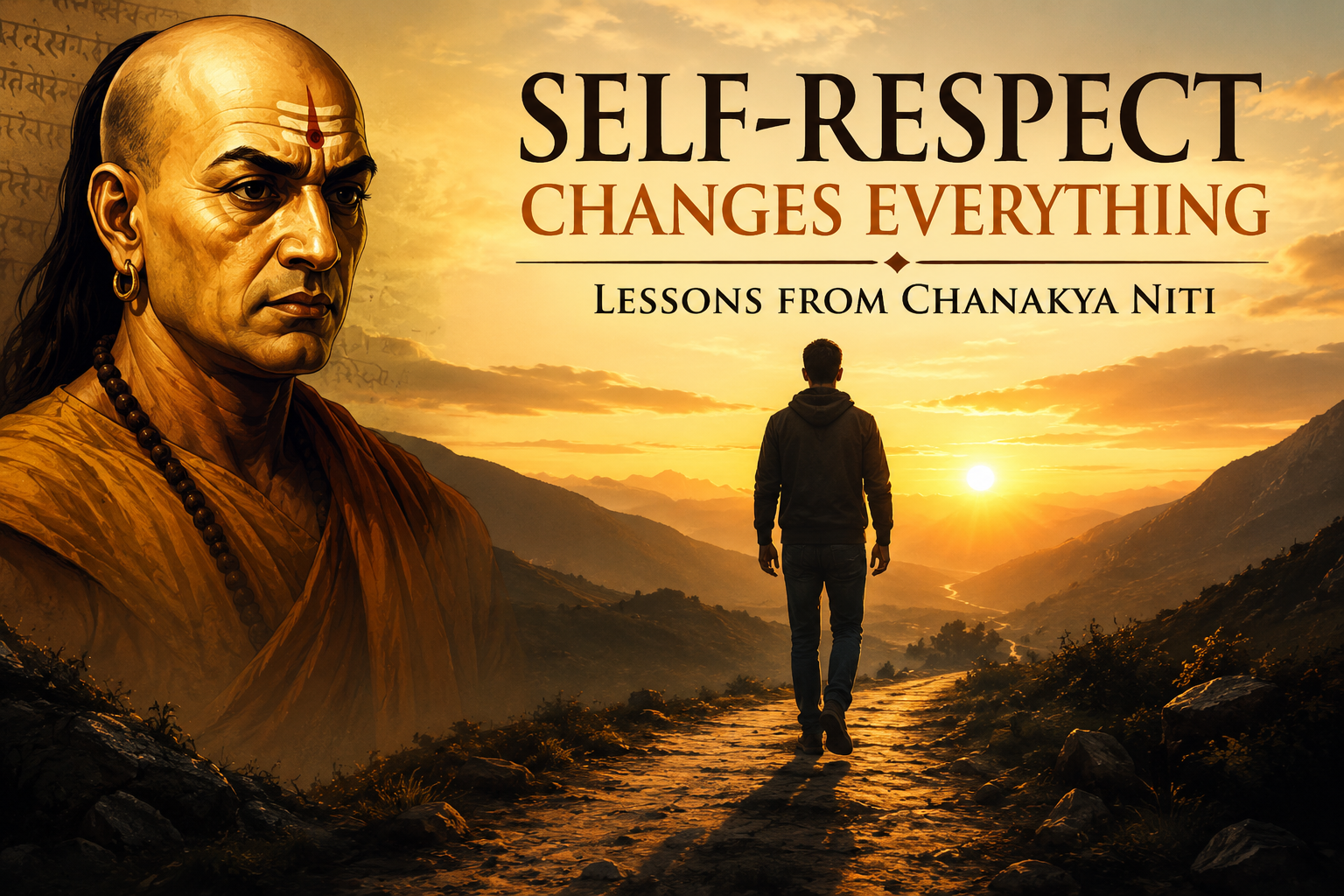
Thousands of years ago, Chanakya shared wisdom that still feels deeply relevant today. In Chanakya Niti, he emphasized the importance of dignity, boundaries, and self-worth. One of the strongest lessons inspired by his teachings is simple:
Never stay where your respect is constantly ignored.
This is not about ego. It is about protecting your emotional well-being, your energy, and your inner strength.
The Silent Damage of Losing Self-Respect
Many people slowly lose themselves while trying to maintain relationships, friendships, or social approval. They become overly available, constantly seeking validation, and afraid of disappointing others.
At first, it may seem harmless.
But over time:
- You begin to overthink everything.
- Your confidence weakens.
- You feel emotionally exhausted.
- You start questioning your worth.
The saddest part is that many people do not even notice when this happens. They become so focused on being accepted that they forget to accept themselves.
Self-respect is the foundation of emotional stability. Without it, even success and relationships can feel empty.
What Chanakya Teaches About Respect
Chanakya believed that a wise person should never repeatedly go where they are insulted, ignored, or undervalued.
This teaching applies to modern life more than ever.
Sometimes people continue investing energy into places and relationships that constantly drain them emotionally. They tolerate disrespect because they fear loneliness, rejection, or conflict.
But protecting your dignity is not selfish.
It is necessary.
When you stop begging for attention and start valuing yourself, something powerful happens: your mindset changes.
Life Begins to Change After Self-Respect
The moment you begin respecting yourself, life slowly transforms.
You stop chasing people who make you feel unwanted.
You become more peaceful because you no longer depend on everyone’s approval.
You stop explaining yourself unnecessarily.
You learn the power of silence, boundaries, and emotional control.
Most importantly, you begin attracting healthier relationships and opportunities because your energy changes.
People often treat us according to how we treat ourselves. When you constantly ignore your own emotional needs, others may begin doing the same.
But when you value yourself, the world responds differently.
Self-Respect Is Not Ego
Many people confuse self-respect with arrogance.
They are not the same.
Ego says:
“I am better than others.”
Self-respect says:
“I deserve peace, dignity, and healthy treatment too.”
A person with self-respect does not need to dominate anyone. They simply refuse to abandon themselves for temporary acceptance.
True confidence is quiet.
It does not chase.
It does not beg.
It stands calmly in its own worth.
The Spiritual Side of Self-Worth
Spiritual growth is impossible without self-awareness.
You cannot heal emotionally while constantly betraying your own feelings just to keep others comfortable.
Sometimes life removes certain people from our journey not as punishment, but as protection.
Not every rejection is a loss.
Some are redirections toward peace, growth, and inner strength.
The more you honor your own energy, the more emotionally free you become.
And freedom is one of the deepest forms of healing.
Final Thoughts
If you constantly feel emotionally drained, ignored, or undervalued, take a moment to reflect on how you treat yourself.
Do you respect your own boundaries?
Do you allow yourself peace?
Do you keep sacrificing your happiness to avoid disappointing others?
Your relationship with yourself shapes every other relationship in your life.
As inspired by the wisdom of Chanakya, remember this:
Never lose yourself while trying to be accepted by everyone else.
Because the moment you choose self-respect, your life begins to change from within.
Frequently Asked Questions (FAQs)
1. What does self-respect really mean?
Self-respect means valuing yourself enough to protect your peace, emotions, boundaries, and dignity. It is about knowing your worth without needing constant approval from others.
2. Is self-respect the same as ego?
No. Ego is about feeling superior to others, while self-respect is about understanding that your feelings, time, and energy also matter.
3. Why do people lose self-respect in relationships?
Many people lose self-respect because they fear rejection, loneliness, or losing emotional connection. They start compromising their boundaries just to keep others happy.
4. How does self-respect improve mental health?
Self-respect reduces emotional stress, overthinking, and people-pleasing habits. It helps create inner peace, confidence, and emotional stability.
5. What does Chanakya say about self-respect?
According to the teachings of Chanakya Niti, a person should avoid places and relationships where they are constantly insulted or disrespected.
6. How can I build self-respect in daily life?
You can build self-respect by:
- setting healthy boundaries,
- saying no when necessary,
- avoiding toxic relationships,
- valuing your time,
- and prioritizing your emotional well-being.
7. Why do people treat us according to our self-worth?
People often observe how we treat ourselves. When we constantly ignore our own needs or tolerate disrespect, others may start doing the same.
8. Can self-respect change your life?
Yes. Self-respect can improve your confidence, emotional strength, relationships, mindset, and overall peace of mind.
9. What are signs of low self-respect?
Common signs include:
- constantly seeking validation,
- fear of saying no,
- over-apologizing,
- tolerating disrespect,
- and feeling emotionally exhausted.
10. Is walking away from disrespect selfish?
No. Protecting your peace and dignity is not selfish. Sometimes walking away is necessary for emotional healing and personal growth.
11. How is self-respect connected to spirituality?
Spiritual growth begins with self-awareness and inner healing. Respecting yourself helps you protect your energy and live more peacefully.
12. What is the biggest lesson from Chanakya Niti?
One of the biggest lessons is that a person should never repeatedly stay where they are not valued, respected, or emotionally at peace.
]]>
Who is Black Hanuman?
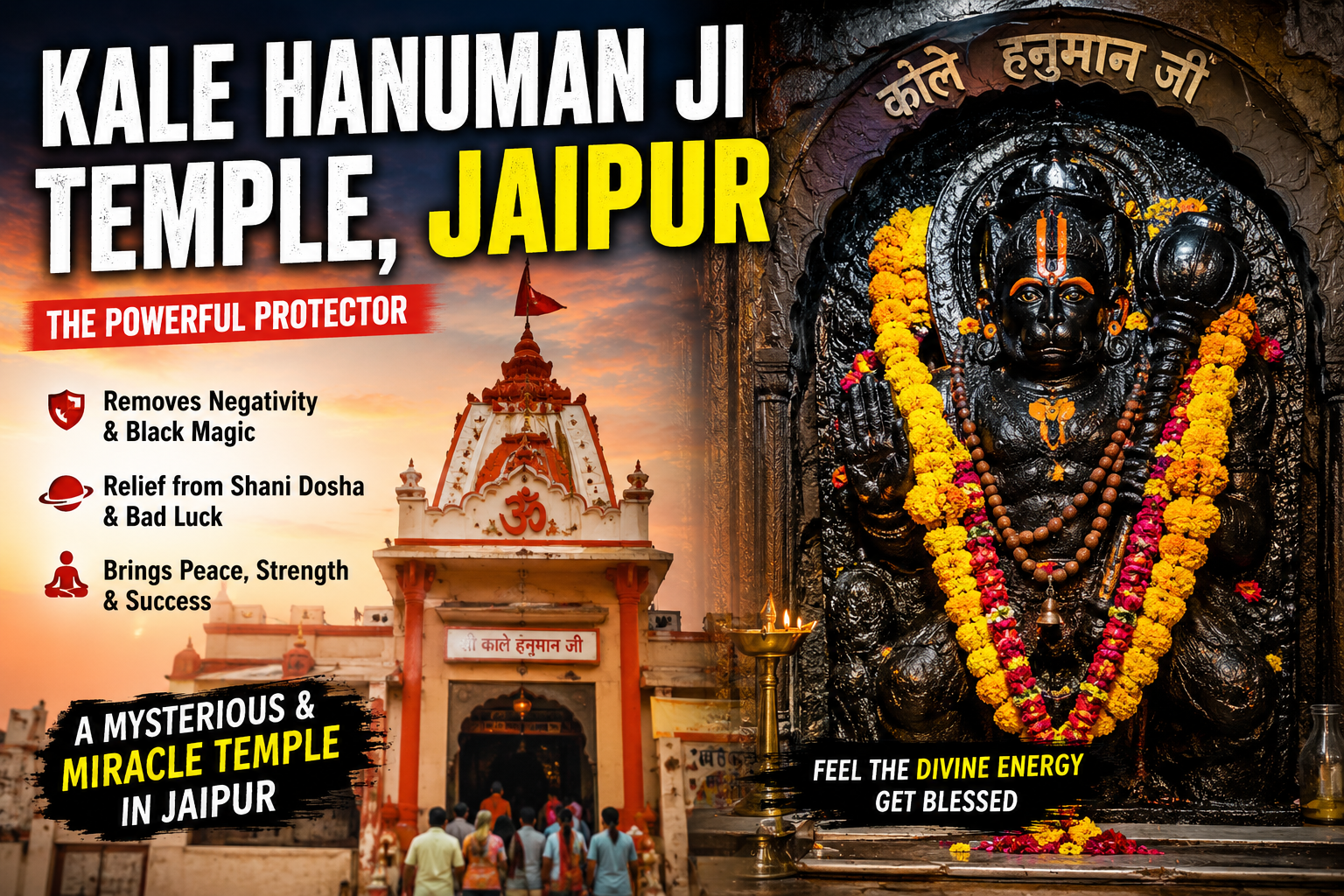
In most temples, Hanuman is seen in a red (sindoor-covered) form. However, in this temple, his idol appears in a black form, which makes it extremely rare and intriguing.
Black Hanuman is believed to be a protector against negative energies, black magic, and planetary afflictions, especially those related to Saturn.
Mythological Beliefs & Stories
1. Connection with Shani Dev
According to popular belief, Shani Dev once blessed Hanuman Ji, saying that those who worship him will be protected from the harmful effects of Saturn (Shani Dosha).
Some stories also suggest that due to Shani’s influence, Hanuman Ji took on a darker (black) form.
2. Symbol of Power & Protection
Another belief is that during battles against evil forces and demons, Hanuman Ji manifested this powerful black form to destroy negativity and protect devotees.
Unique Features of the Temple
- Rare black-colored idol of Hanuman Ji
- A strong sense of spiritual energy felt by devotees
- Offering mustard oil lamps is considered very auspicious
- Special rituals are performed to remove evil eye and negative influences
- A peaceful yet powerful environment for prayer and meditation
Why Devotees Visit
People from all over come here with faith and devotion for:
- Protection from black magic and negative energies
- Relief from Shani Dosha (Saturn-related problems)
- Success in career and business
- Mental peace and removal of fear
Best Time to Visit
- Saturday – The most important day dedicated to Hanuman Ji and Shani Dev
- Amavasya (New Moon) – Ideal for spiritual cleansing and removing negativity
- Morning and evening aarti timings are considered highly auspicious
How to Reach
Jaipur is well connected to all major cities in India:
 Jaipur International Airport
 Jaipur Junction Railway Station
 Local transport like autos, cabs, and buses are easily available
Spiritual Experience
The Black Hanuman Temple is not just a place of worship—it is a space where devotees seek relief from life’s struggles and unseen fears. The atmosphere is filled with faith, devotion, and a deep sense of calm energy.
Conclusion
If you are facing obstacles, fear, or negative influences in life, visiting the Black Hanuman Temple in Jaipur can be a deeply uplifting experience.
Its unique form, powerful beliefs, and spiritual aura make it a must-visit destination for seekers of peace and protection.
Best Video on “Kale Hanuman Mandir Jaipur”
]]>
Introduction: A Giant Leap for India, Again
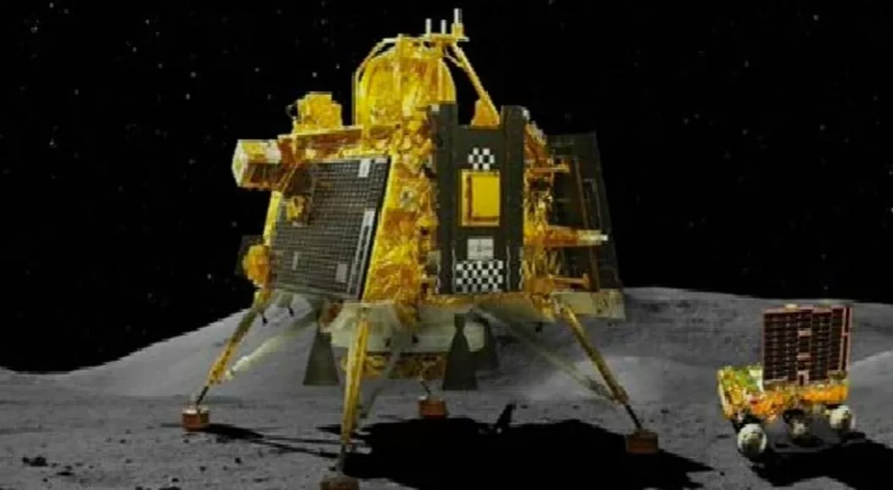
Image Credit: jagranjosh
After the groundbreaking success of Chandrayaan‑3, which made India the first country to land near the lunar south pole, the Indian Space Research Organisation (ISRO) is now aiming even higher with Chandrayaan‑4—a mission that could make India the first country to deploy a modular lunar base.
The world is watching, and millions are talking. Let’s dive into why Chandrayaan‑4 is the most exciting topic in space right now.
Mission Overview: What Is Chandrayaan‑4?
- Mission Name: Chandrayaan‑4
- Objective: Deploy India’s first modular moon base
- Launch Date (Expected): Late 2026 or early 2027
- Modules Planned: Landing, Surface Habitat, Energy & Communication
- Mission Type: Robotic and possibly crew-supported in the future
Chandrayaan‑4 is not just about landing—it’s about staying. Unlike previous missions, this one aims to assemble structures on the lunar surface, opening the door to long-term lunar exploration.
Global Impact: Why the World Is Watching
Trending Like Never Before
- Over 3 million online mentions in two weeks
- Discussions dominating Twitter/X, Reddit, YouTube, and global space forums
- Surge in online searches for “India moon base” and “Chandrayaan‑4”
Strategic Importance
- Positions India alongside the US, China, and ESA as a space superpower
- Advances ISRO’s collaboration potential with NASA, JAXA, and ESA
- Could lead future international missions from India’s lunar base
Technological Advancements
Chandrayaan‑4 will showcase India’s engineering strength with innovations like:
- Autonomous Assembly: Robots and AI systems to self-assemble modules
- Dust-Resistant Solar Arrays: For sustainable energy in harsh conditions
- Thermal Protection Systems: To withstand lunar nights of −170°C
- Lunar Communication Satellites: For uninterrupted Earth link
These technologies aren’t just futuristic—they are essential for lunar survival.
The Modular Moon Base: A New Vision
ISRO’s concept includes:
- Habitat Modules: Pressurized for future human habitation
- Energy Units: Solar panels and energy storage
- Command Center: For robotic control and communication
- Scientific Lab: For lunar geology and solar radiation study
Think of it as “IKEA meets the Moon”—everything prebuilt, shipped, and assembled on-site.
Scientific Goals
- Study lunar surface composition and water ice deposits
- Monitor cosmic radiation for human safety
- Test technologies for Mars and deep-space missions
- Establish long-term data on Moon’s seismic activity
Challenges Ahead
- Extreme Temperatures: From +120°C to −170°C
- Communication Delays: Need for autonomous decision-making
- Lunar Dust: Fine particles that can damage electronics and machinery
- Budget & International Politics: High costs and potential collaboration hurdles
ISRO is actively addressing these through simulations and international knowledge sharing.
What It Means for India and the World
- National Pride: Boosts morale and interest in science/STEM fields
- Economic Opportunities: Opens new doors for Indian startups in space tech
- Global Partnerships: Strengthens ties with countries in space exploration
- Future Human Missions: Lays foundation for manned missions to Moon and Mars
Conclusion: India’s Future Is Lunar
Chandrayaan‑4 isn’t just about rockets and robots—it’s a symbol of ambition, innovation, and global leadership. It represents India’s transformation from a regional player to a trailblazer in space exploration.
The Moon is no longer unreachable. And India is getting ready to build a home there.
]]>Navratri holds a special place in Sanatan Dharma. It is a festival of strength, devotion, and penance, during which the nine forms of Goddess Durga are worshipped. Navratri is celebrated four times a year, with Sharadiya and Chaitra Navratri being the most prominent, while the other two are considered special for spiritual seekers. According to the Hindu calendar, Chaitra Navratri begins on the Pratipada Tithi of the Chaitra month. In 2025, Chaitra Navratri will commence on March 30, 2025, and conclude on April 7, 2025.
2. Spiritual Significance of Navratri
During Navratri, devotees perform special prayers and rituals dedicated to Goddess Durga. It is believed that seeking the blessings of the Goddess during these nine days helps in removing all kinds of hardships, problems, and negative energies. This period is considered ideal for spiritual practice, self-purification, and devotion to the Divine.
3. Importance and Rituals of Kalash Sthapana
Navratri begins with Kalash Sthapana, symbolizing auspiciousness and prosperity. Performing it correctly ensures the flow of positive energy and brings peace and happiness to life.
Kalash Sthapana Procedure:
- Sow barley seeds in a sacred pot during an auspicious time.
- Place a clay or copper pot above it.
- Fill the pot with Ganga Jal and place mango leaves around its mouth.
- Cover the pot with a coconut wrapped in a red cloth.
- Worship the Goddess and take a vow for the fast.
4. Worship Method and Forms of Goddess Durga for Nine Days
Each day of Navratri is dedicated to one form of Goddess Durga.
| Day | Date | Goddess Form |
|---|---|---|
| First Day | March 30, 2025 | Shailputri |
| Second Day | March 31, 2025 | Brahmacharini |
| Third Day | April 1, 2025 | Chandraghanta |
| Fourth Day | April 2, 2025 | Kushmanda |
| Fifth Day | April 3, 2025 | Skandamata |
| Sixth Day | April 4, 2025 | Katyayani |
| Seventh Day | April 5, 2025 | Kalaratri |
| Eighth Day | April 6, 2025 | Mahagauri |
| Ninth Day | April 7, 2025 | Siddhidatri |
5. Importance of Reciting Scriptures and Mantras
- Siddha Kunjika Stotra – A powerful hymn that helps overcome difficulties when recited with devotion.
- Durga Saptashati – Chanting it brings success and financial prosperity.
- Durga Chalisa – Regular recitation ensures the continued blessings of the Goddess.
6. Importance of Lighting Lamps and Akhand Jyoti
- Lighting an Akhand Jyoti spreads positive energy in the house.
- Using ghee lamps removes Vastu defects.
- Evening aarti with lamps ensures divine blessings.
7. Fasting Rules and Special Practices During Navratri
- Consume only fruits or sattvic food.
- Avoid tamasic food (garlic, onion, meat, alcohol).
- Chant Goddess Durga’s mantras regularly.
- Maintain celibacy and purity in thoughts and actions.
8. Auspicious Plants to Grow During Navratri
Growing certain plants during Navratri enhances positivity.
- Tulsi – Brings peace and prosperity.
- Amla – Attracts the blessings of Goddess Lakshmi.
- Shami Plant – Removes Vastu doshas.
- Champak and Jasmine – Promote positive vibrations.
9. Special Remedies for Navratri
- Offer vermilion, red cloth, coconut, Kalash, and betel nut to the Goddess.
- Organize devotional singing in honor of the Goddess.
- Perform Kanya Pujan to receive special blessings.
10. Conclusion of Navratri and Dussehra Celebration
Navratri concludes with Maha Navami and Dashami, marked by Kanya Puja and Havan. Dussehra signifies the victory of good over evil, commemorating Lord Rama’s victory over Ravana and Goddess Durga’s triumph over Mahishasura.
11. Navratri Best Information on YouTube
12. Conclusion
Navratri is a sacred festival dedicated to the worship of the Divine Mother. Observing the fast with proper rituals brings happiness, prosperity, and divine blessings into one’s life.
(Disclaimer: This article is based on religious beliefs and traditional customs. Readers should use their discretion while following these practices.)
]]>1. What is CUET 2025?
CUET 2025 is a national-level entrance exam conducted by the National Testing Agency (NTA). It aims to provide a common platform for admissions to various undergraduate courses in universities across India. The exam is conducted for students seeking admission to courses like BA, B.Sc., B.Com, and others in participating universities.
2. Important Dates for CUET 2025
Here are some key dates that you must keep in mind for CUET 2025:
- Release of Application Form: 1st March 2025
- Last Date for Application: 22nd March 2025
- Application Fee Payment Deadline: 23rd March 2025
- Correction Window for Application Form: 24th to 26th March 2025
- Exam Date: Between 8th May to 1st June 2025
- Admit Card Release Date: April 2025 (Tentative)
- Result Declaration: July 2025 (Tentative)
3. Eligibility Criteria for CUET 2025
Before applying for CUET 2025, you must check the eligibility criteria to ensure you meet the requirements. Below are the general eligibility guidelines:
Educational Qualification:
- 12th Passed or Appearing Students: You must have completed or be appearing in your 12th grade from a recognized board of education.
- Subject-Specific Requirements: If you are applying for a specific course, you must have studied the relevant subjects in your 12th class (e.g., for B.Sc. courses, you must have studied Physics, Chemistry, and Mathematics).
Age Limit:
- There is no specific maximum age limit for CUET 2025.
- However, some universities may have age-related criteria for specific courses, so it’s important to check individual university guidelines.
Minimum Marks:
- There is no minimum percentage requirement to apply for CUET. However, individual universities may have their own criteria for minimum marks.
4. CUET 2025 Exam Pattern
The CUET 2025 exam will be divided into three sections. The exam pattern is as follows:
Section I – Languages:
- You will need to choose one language from a list of languages.
- The section will contain questions from reading comprehension, grammar, and vocabulary.
Section II – Domain-Specific Subjects:
- This section consists of questions related to the specific subject for which you are applying.
- Example: For a B.Sc. course, questions will be based on Physics, Chemistry, and Mathematics.
Section III – General Knowledge/Current Affairs:
- This section assesses your general awareness, current affairs, and logical reasoning abilities.
Duration:
- The total exam time will be 3 hours (180 minutes).
5. CUET 2025 Application Process
The application process for CUET 2025 is entirely online. Here’s how you can apply:
Step 1: Registration
- Visit the official NTA CUET website cuet.nta.nic.in and register with your basic details like name, email ID, phone number, etc.
Step 2: Fill Application Form
- After registration, log in and fill in the application form with details such as personal information, academic details, and the course you are applying for.
Step 3: Upload Documents
- Upload scanned copies of your photograph, signature, and other required documents in the prescribed format.
Step 4: Pay Application Fee
- Pay the application fee through online methods like credit/debit cards, net banking, or UPI. Fees may vary based on category and number of subjects.
Step 5: Submit Application
- After reviewing your application, submit it and take a printout of the confirmation page for future reference.
6. Syllabus for CUET 2025
The syllabus for CUET 2025 will depend on the course you are applying for. However, here are the broad areas that are generally covered:
- For Language Papers: Reading comprehension, grammar, vocabulary, and literature from the chosen language.
- For Domain-Specific Papers: Subject-specific syllabus based on the course (e.g., Physics, Chemistry, Mathematics, Biology, History, Economics, etc.).
- For General Knowledge and Current Affairs: General awareness about national and international events, important days, current affairs, sports, and general knowledge.
7. Best Books for CUET 2025 Preparation
Choosing the right books is crucial for your CUET preparation. Here are some popular books for various sections:
- For General Knowledge:
- “General Knowledge 2025” by Manohar Pandey
- “Lucent’s General Knowledge”
- For Domain-Specific Subjects:
- NCERT books of the respective subjects (Physics, Chemistry, Mathematics, etc.)
- “Trigonometry” by S.L. Loney for Mathematics
- “Concepts of Physics” by H.C. Verma for Physics
- For Language Papers:
- “Objective General English” by R.S. Aggarwal
- “High School English Grammar” by Wren & Martin
8. CUET 2025 Admit Card and Results
- Admit Card: The CUET admit card will be released online on the official website. Make sure to download and take a printout well in advance.
- Results: The CUET results will be declared after the exam, usually in July 2025. The results will be available on the official NTA website, and you can check your scores by entering your application number.
9. CUET 2025 FAQs
Q1: Is CUET mandatory for all central universities?
Yes, CUET is mandatory for admissions to all central universities and other participating institutions.
Q2: Can I apply for multiple courses?
Yes, you can apply for multiple courses, but make sure to check the subject requirements for each course.
Q3: How do I prepare for CUET?
Focus on the syllabus, practice sample papers, and solve previous year’s question papers. Regular study and time management are key.
10. Conclusion
CUET 2025 is an essential exam for students aspiring to pursue undergraduate courses in top central universities. Make sure to start your preparations early, stay updated with the important dates, and follow a systematic approach to complete your application process.
Good luck with your CUET 2025 preparations! For more updates, make sure to regularly visit the official CUET website and stay tuned for any new notifications.
]]>Introduction
Dr. Manmohan Singh, India’s 13th Prime Minister (2004–2014), passed away at the age of 92, leaving behind a towering legacy of transformative leadership. Revered for his intellect, humility, and vision, Singh’s journey from a small village in British India to the helm of the world’s largest democracy exemplifies dedication and perseverance.
His contributions, spanning decades as an economist, policymaker, and statesman, have fundamentally shaped modern India. Notably, he was the first Sikh Prime Minister of India and one of the rare leaders who combined academic brilliance with practical governance.
Early Life and Education
Born in 1932 in Gah, British India (now in Pakistan), Dr. Singh’s early life was shaped by the upheavals of Partition. His family migrated to Amritsar, where he pursued his initial education at Hindu College. A brilliant student, Singh earned scholarships to study at the University of Cambridge, where he became Wrenbury Scholar in 1957. Later, he completed a doctorate in economics from the University of Oxford.
His time at Cambridge not only refined his economic philosophy but also earned him the affectionate nickname “Blue Turban,” a reference to his signature light-blue headgear that became a symbol of his identity and values.
Career as an Economist
Before entering politics, Singh held prestigious positions, including:
- Chief Economic Advisor in the Ministry of Finance.
- Governor of the Reserve Bank of India (1982–1985).
- Deputy Chairman of the Planning Commission (1985–1987).
- Secretary General of the South Commission in Geneva (1987–1990).
As Finance Minister under Prime Minister P. V. Narasimha Rao in the 1990s, Singh spearheaded landmark reforms that liberalized India’s economy. Facing a severe financial crisis, his bold measures dismantled socialist-era controls, opened India to global trade, and set the stage for unprecedented economic growth.
Prime Ministerial Tenure (2004–2014)
Dr. Manmohan Singh became Prime Minister in 2004, leading the United Progressive Alliance (UPA) government for two consecutive terms. His leadership during this decade marked India’s ascent as a global economic powerhouse.
Key Achievements:
- Economic Growth:
India experienced an average growth rate of 8% during Singh’s tenure, lifting millions out of poverty. - Nuclear Agreement with the U.S.:
The historic India-U.S. Civil Nuclear Agreement in 2008 bolstered India’s global standing. - Social Welfare Programs:
Singh championed inclusive growth with initiatives like the National Rural Employment Guarantee Act (NREGA) and the Right to Information Act. - Poverty Alleviation:
His policies significantly reduced poverty levels and expanded India’s middle class. - Infrastructure Development:
Major investments in infrastructure, including roads, energy, and telecommunications, enhanced connectivity and productivity.
The Iconic Blue Turban: A Symbol of Integrity
Dr. Singh’s light-blue turban became a powerful symbol of his character—calm, steadfast, and resolute. During a 2006 ceremony at the University of Cambridge, Prince Philip remarked on the distinctive color of his turban. Singh shared its personal significance, noting that light blue represented his favorite hue and was a reminder of his transformative years at Cambridge.
More than an accessory, the turban embodied his roots, values, and unwavering commitment to integrity and humility.
Awards and Honors
Dr. Singh’s contributions earned him numerous accolades, including:
- Padma Vibhushan (1987): India’s second-highest civilian award.
- Order of the Paulownia Flowers (2014): Japan’s prestigious Grand Cordon honor.
- Honorary Doctorates: From leading institutions, including the University of Cambridge, University of Oxford, and Moscow State Institute of International Relations.
- Recognition as one of Time magazine’s “100 Most Influential People in the World” (2005 and 2010).
Legacy
Dr. Manmohan Singh’s legacy is one of quiet resilience, intellectual brilliance, and unwavering dedication to India’s progress. As the architect of economic liberalization, he transformed India into a globally respected economic force. His leadership during a crucial decade ensured not only economic growth but also social equity.
Singh’s humility, symbolized by his iconic blue turban, serves as a reminder of his roots and the inclusive vision he championed.
Conclusion
Dr. Manmohan Singh will be remembered as a statesman who combined intellectual rigor with moral integrity, leading India with grace and wisdom. His contributions have left an indelible mark on the nation and the world.
As we bid farewell to this remarkable leader, we celebrate his inspiring journey, his quiet determination, and the enduring legacy of hope and progress he left behind.
]]>
व्रत का महत्व
व्रत का मतलब सिर्फ खाना न खाना नहीं है, बल्कि यह एक संकल्प है जो शारीरिक, मानसिक और आध्यात्मिक शुद्धि के लिए रखा जाता है। व्रत में हम अपनी इंद्रियों और इच्छाओं पर नियंत्रण रखते हैं और पूरी निष्ठा के साथ ईश्वर की आराधना करते हैं।
व्रत के प्रमुख उद्देश्य निम्नलिखित हैं:
- आत्म-संयम: व्रत व्यक्ति को उसकी इंद्रियों पर नियंत्रण सिखाता है।
- शारीरिक शुद्धि: व्रत में शरीर को एक तरह से डिटॉक्स करने का मौका मिलता है।
- आध्यात्मिक उन्नति: ईश्वर की भक्ति और ध्यान के लिए मन को शुद्ध किया जाता है।
व्रत में दवाई लेने का सवाल
आजकल की जीवनशैली में कई बार लोग बीमारी या शारीरिक समस्याओं से जूझते हैं। ऐसे में व्रत रखने वाले लोगों के सामने यह सवाल आता है कि क्या व्रत में दवाई लेने से व्रत भंग हो जाता है?
धार्मिक दृष्टिकोण
धार्मिक ग्रंथों में ऐसा कहीं नहीं कहा गया है कि व्रत में दवाई लेने से व्रत टूट जाता है।
व्रत का उद्देश्य ईश्वर की भक्ति और आत्म-संयम है। अगर कोई व्यक्ति बीमार है और उसे दवाई लेने की आवश्यकता है, तो यह उसकी मजबूरी है, न कि उसकी इच्छाओं का परिणाम।
भगवान हमारी नीयत को देखते हैं, न कि केवल हमारी बाहरी क्रियाओं को। अगर दवाई न लेने से आपकी सेहत खराब हो सकती है, तो दवाई लेना आवश्यक है और इससे व्रत भंग नहीं माना जाएगा।
स्वास्थ्य का महत्व
स्वास्थ्य सबसे बड़ा धर्म है। अगर आप बीमार हैं और दवाई लेना आपकी सेहत के लिए जरूरी है, तो इसे न लेने से आप और बीमार हो सकते हैं। व्रत में दवाई लेने से आपकी भक्ति या संकल्प पर कोई असर नहीं पड़ता, क्योंकि यह आपकी मजबूरी है।
दवाई लेना किसी भी तरह से व्रत की पवित्रता को भंग नहीं करता। व्रत का असली उद्देश्य आत्मिक और मानसिक शुद्धि है, न कि केवल खाना छोड़ना। इसलिए, दवाई को भगवान की कृपा समझकर लें और अपनी सेहत का ध्यान रखें।
किन हालातों में दवाई लेना आवश्यक है?
- चिकित्सीय कारण: अगर आपको किसी गंभीर बीमारी की दवाई नियमित रूप से लेनी पड़ती है, तो व्रत के दौरान भी यह आवश्यक है।
- आपात स्थिति: अगर अचानक किसी बीमारी या चोट के कारण दवाई लेने की जरूरत हो, तो इसे मना नहीं किया जाना चाहिए।
- डॉक्टर की सलाह: अगर डॉक्टर आपको दवाई लेने की सलाह देते हैं, तो इसे टालना आपके स्वास्थ्य के लिए हानिकारक हो सकता है।
व्रत और आयुर्वेदिक उपचार
अगर आप दवाई लेने से बचना चाहते हैं, तो आयुर्वेदिक या प्राकृतिक उपचार अपना सकते हैं, जो शरीर और व्रत दोनों के लिए अनुकूल हो सकते हैं। आयुर्वेदिक दवाइयाँ आमतौर पर व्रत के दौरान ली जा सकती हैं, क्योंकि इनमें रसायनों की जगह प्राकृतिक जड़ी-बूटियों का इस्तेमाल होता है।
लेकिन अगर आपकी समस्या गंभीर है और आधुनिक चिकित्सा की आवश्यकता है, तो इसे धार्मिक दृष्टि से भी सही माना गया है।
दवाई लेते समय ध्यान रखने योग्य बातें
- ईश्वर से प्रार्थना करें: दवाई लेने से पहले भगवान से क्षमा याचना करें और उनसे प्रार्थना करें कि आपकी भक्ति को वे स्वीकार करें।
- भक्ति में कमी न आने दें: व्रत में दवाई लेने से भले ही आपकी शारीरिक स्थिति पर असर पड़े, लेकिन मानसिक रूप से पूरी तरह ईश्वर की भक्ति में लीन रहें।
- दान या पुण्य कार्य करें: अगर आपको लगता है कि दवाई लेने से आपका व्रत थोड़ा प्रभावित हुआ है, तो आप दान या पुण्य का काम कर सकते हैं।
निष्कर्ष
व्रत में दवाई लेना कोई ऐसा कार्य नहीं है जो आपकी भक्ति या व्रत को भंग करे। भगवान हमारी नीयत और भावना को देखते हैं। अगर दवाई लेना आपके स्वास्थ्य के लिए जरूरी है, तो यह व्रत के उद्देश्य से टकराव नहीं करता।
आपकी सेहत और भक्ति दोनों महत्वपूर्ण हैं। इसलिए, अगर आपको दवाई लेने की आवश्यकता है, तो बिना किसी डर के इसे लें और अपनी भक्ति को पूरे मन से निभाएं।
उम्मीद है कि यह ब्लॉग आपके सभी सवालों का जवाब देने में मदद करेगा
]]>
परिचय
विश्वकर्मा दिवस हर साल 17 सितंबर को मनाया जाता है। यह दिन भगवान विश्वकर्मा की पूजा और उनके योगदान को सम्मानित करने के लिए समर्पित है, जो हिंदू पौराणिक कथाओं के अनुसार संसार के पहले इंजीनियर और वास्तुकार माने जाते हैं। उन्हें देवताओं के सभी भवनों, अस्त्र-शस्त्रों, और यंत्रों के निर्माता के रूप में जाना जाता है। विश्वकर्मा दिवस मुख्य रूप से शिल्पकारों, इंजीनियरों, आर्किटेक्ट्स, मशीनरी और औद्योगिक क्षेत्र में काम करने वालों द्वारा मनाया जाता है।
भगवान विश्वकर्मा का महत्त्व
भगवान विश्वकर्मा को निर्माण और शिल्प के देवता के रूप में जाना जाता है। उन्हें सृष्टि के सबसे कुशल और ज्ञानी शिल्पकार के रूप में पूजा जाता है। पुराणों के अनुसार, भगवान विश्वकर्मा ने कई महत्वपूर्ण शहरों, देवताओं के महलों और अद्वितीय शस्त्रों का निर्माण किया। उनके प्रमुख कार्यों में द्वारका, इंद्रपुरी, पुष्पक विमान, और त्रिशूल का निर्माण शामिल है। इसके अलावा, उन्हें सुदर्शन चक्र और शिवजी के त्रिशूल का भी निर्माता माना जाता है।
विश्वकर्मा पूजा का महत्त्व
विश्वकर्मा दिवस पर मशीनों, औजारों, और उपकरणों की पूजा की जाती है। यह पूजा विशेष रूप से कारखानों, वर्कशॉप्स, और अन्य तकनीकी संस्थानों में की जाती है, ताकि काम में समृद्धि, सुरक्षा और सफलता प्राप्त हो सके। माना जाता है कि इस दिन भगवान विश्वकर्मा की पूजा करने से व्यापार और कामकाज में वृद्धि होती है और नए प्रोजेक्ट्स सफल होते हैं। पूजा के समय मशीनों और औजारों को साफ करके उन पर हल्दी, रोली, और फूल अर्पित किए जाते हैं।
कैसे मनाया जाता है विश्वकर्मा दिवस?
- पूजा और हवन: इस दिन लोग अपने घरों, दुकानों और फैक्ट्रियों में भगवान विश्वकर्मा की प्रतिमा स्थापित करके पूजा करते हैं। साथ ही हवन और आरती का आयोजन भी किया जाता है।
- औजारों और मशीनों की पूजा: खासतौर पर इंजीनियरिंग और निर्माण कार्य में उपयोग होने वाले औजारों और मशीनों को इस दिन विशेष रूप से सजाया जाता है और उनकी पूजा की जाती है।
- कारखानों में उत्सव: औद्योगिक क्षेत्रों और फैक्ट्रियों में यह दिन विशेष रूप से धूमधाम से मनाया जाता है। कर्मचारियों के लिए छुट्टी होती है, और पूजा के बाद प्रसाद वितरण किया जाता है।
- कलात्मक प्रदर्शन: कई स्थानों पर भगवान विश्वकर्मा से संबंधित चित्रकारी और मूर्तियों का प्रदर्शन भी किया जाता है।
भगवान विश्वकर्मा के प्रसिद्ध कार्य
- द्वारका नगरी: श्रीकृष्ण की नगरी द्वारका का निर्माण भगवान विश्वकर्मा ने समुद्र में किया था।
- पुष्पक विमान: रावण के पास जो उड़ने वाला विमान था, वह भी भगवान विश्वकर्मा की रचना थी।
- इंद्रप्रस्थ: महाभारत के समय पांडवों की राजधानी इंद्रप्रस्थ का निर्माण भी भगवान विश्वकर्मा ने किया था।
- सुदर्शन चक्र: भगवान विष्णु का सुदर्शन चक्र, जो अमर और अद्वितीय अस्त्र माना जाता है, भी विश्वकर्मा जी की ही रचना है।
आधुनिक युग में विश्वकर्मा पूजा का महत्त्व
आज के समय में विज्ञान और तकनीकी क्षेत्र में भगवान विश्वकर्मा का महत्व और भी बढ़ गया है। इंजीनियरिंग, निर्माण, और तकनीकी क्षेत्र में काम करने वाले लोग इस दिन भगवान विश्वकर्मा की पूजा करते हैं, ताकि वे अपने काम में कुशलता और सफलता प्राप्त कर सकें। यह दिन विशेष रूप से उनके लिए है जो किसी न किसी रूप में निर्माण कार्य से जुड़े हुए हैं, जैसे कि मेकैनिक्स, आर्किटेक्ट्स, इंजीनियर्स, कारपेंटर, और कारीगर।
संदेश और सीख
विश्वकर्मा दिवस हमें यह सिखाता है कि मेहनत और लगन से किया गया काम हमेशा सफल होता है। भगवान विश्वकर्मा ने अपने निर्माण कार्यों से यह सिद्ध किया कि सृजन और निर्माण मानव जीवन का महत्वपूर्ण हिस्सा है। इस दिन हम उन्हें श्रद्धांजलि देते हैं और उनके आदर्शों को अपने जीवन में अपनाने की प्रेरणा प्राप्त करते हैं।
निष्कर्ष
विश्वकर्मा दिवस केवल एक पूजा का दिन नहीं है, बल्कि यह एक दिन है जब हम निर्माण और शिल्पकला के प्रति आभार व्यक्त करते हैं। यह दिन हमें यह सिखाता है कि मेहनत और समर्पण से ही हम अपने जीवन में सफलता प्राप्त कर सकते हैं। भगवान विश्वकर्मा की पूजा से हमें जीवन में रचनात्मकता और कार्यकुशलता का आशीर्वाद मिलता है।
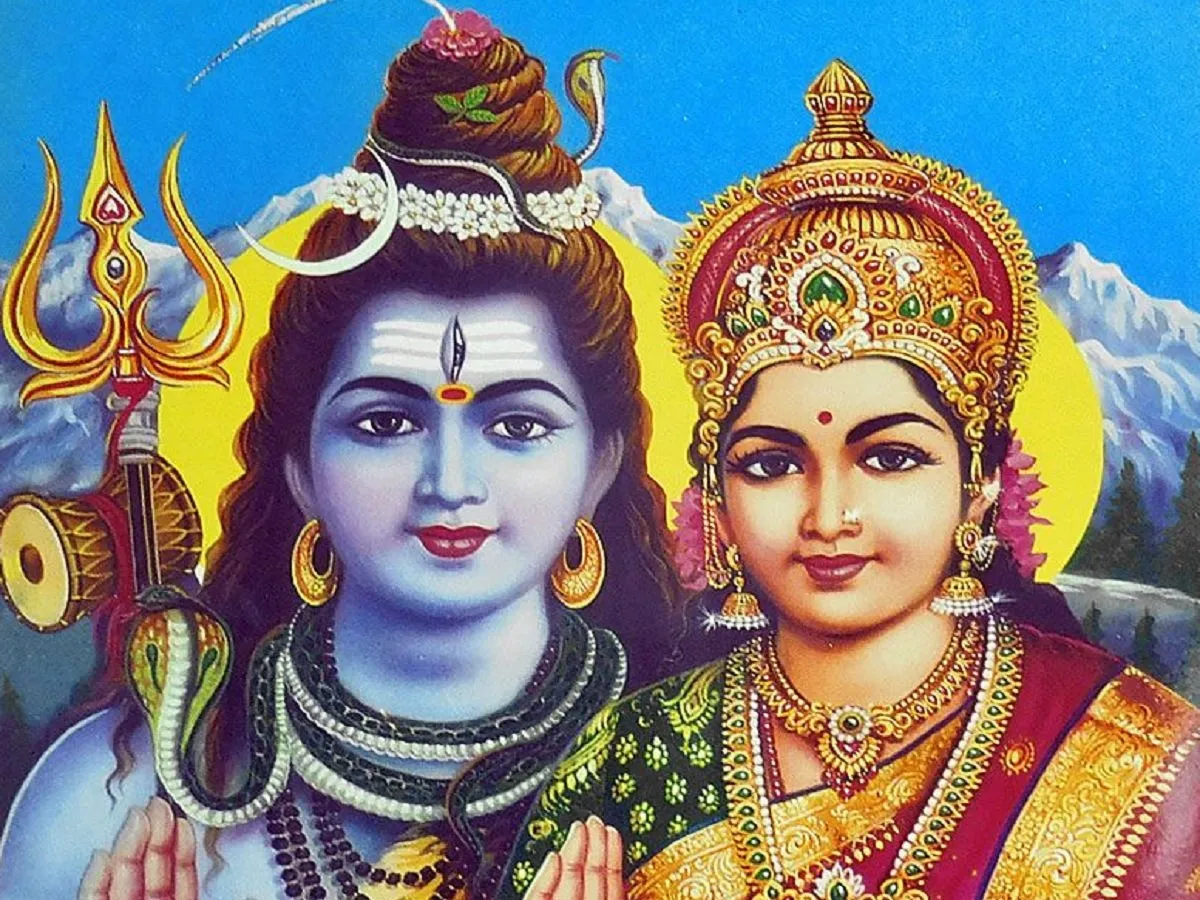
हरियाली तीज का पर्व भारतीय संस्कृति में एक महत्वपूर्ण स्थान रखता है। इसे श्रावण मास के शुक्ल पक्ष की तृतीया को मनाया जाता है। यह त्यौहार मुख्य रूप से भगवान शिव और माता पार्वती के पुनर्मिलन के उपलक्ष्य में मनाया जाता है। इस दिन महिलाएं व्रत रखती हैं और सुंदर श्रृंगार करती हैं। यदि आप हरियाली तीज पर कुछ विशेष उपाय करते हैं, तो आपके जीवन में धन-दौलत और खुशहाली बनी रहेगी। आइए, जानते हैं विस्तार से इन उपायों के बारे में:
1. हरे रंग के कपड़े पहनना
हरियाली तीज पर हरे रंग के कपड़े पहनना बेहद शुभ माना जाता है। हरा रंग प्रकृति, ताजगी और समृद्धि का प्रतीक है। इसे पहनने से मनोबल बढ़ता है और सकारात्मक ऊर्जा का संचार होता है।
2. शिवलिंग पर बेलपत्र और दूध चढ़ाना
हरियाली तीज के दिन शिवलिंग पर बेलपत्र और दूध चढ़ाने से भगवान शिव की कृपा प्राप्त होती है। यह उपाय आपके जीवन में सुख-समृद्धि और धन-धान्य की वृद्धि करता है।
- बेलपत्र: इसे शिवजी को अत्यंत प्रिय माना जाता है। तीन पत्तियों वाला बेलपत्र भगवान शिव को अर्पित करें।
- दूध: शिवलिंग पर कच्चा दूध चढ़ाएं। इससे मानसिक शांति और धन लाभ होता है।
3. व्रत रखना और तीज कथा सुनना
महिलाएं इस दिन व्रत रखती हैं और तीज की कथा सुनती हैं। यह व्रत भगवान शिव और माता पार्वती की कृपा प्राप्त करने के लिए रखा जाता है।
- कथा सुनना: तीज व्रत की कथा सुनने से मन की शुद्धि होती है और घर में सुख-शांति का वास होता है।
4. सुहाग सामग्री का दान करना
हरियाली तीज के दिन सुहाग सामग्री का दान करना शुभ माना जाता है। इसमें चूड़ी, बिंदी, मेहंदी, सिंदूर, साड़ी आदि शामिल होते हैं।
- सुहाग सामग्री: सुहागिन महिलाओं को दान करें। इससे देवी पार्वती प्रसन्न होती हैं और दांपत्य जीवन में खुशहाली आती है।
5. आम के पत्तों का तोरण लगाना
घर के मुख्य द्वार पर आम के पत्तों का तोरण लगाने से नकारात्मक ऊर्जा दूर होती है और सकारात्मक ऊर्जा का वास होता है।
- तोरण: आम के पत्तों से बनाएं और मुख्य द्वार पर सजाएं। यह आपके घर में समृद्धि और खुशहाली लाता है।
6. तुलसी के पौधे की पूजा करना
तुलसी का पौधा हिन्दू धर्म में अत्यंत पवित्र माना जाता है। हरियाली तीज के दिन तुलसी के पौधे की पूजा करने से आपके घर में सुख-समृद्धि आती है और धन-धान्य की कमी नहीं होती।
- तुलसी की पूजा: तुलसी के पौधे के सामने दीपक जलाएं और उसकी आरती करें।
7. नये बर्तनों का उपयोग करना
हरियाली तीज के दिन नये बर्तनों का उपयोग करना शुभ माना जाता है। इससे आपके घर में नई ऊर्जा का संचार होता है और समृद्धि बढ़ती है।
- नये बर्तन: इनका उपयोग पूजा और प्रसाद बनाने के लिए करें। इससे घर में सकारात्मक ऊर्जा बढ़ती है।
8. झूला झूलना
हरियाली तीज के दिन महिलाएं झूला झूलती हैं। यह परंपरा समृद्धि और खुशहाली का प्रतीक है।
- झूला: पेड़ों पर झूला डालकर झूलें और भगवान शिव-पार्वती के गीत गाएं। इससे मन खुश रहता है और घर में खुशियों का माहौल बनता है।
इन उपायों को हरियाली तीज के दिन करने से भगवान शिव और माता पार्वती की कृपा प्राप्त होती है, और आपके जीवन में धन-धान्य और समृद्धि की कोई कमी नहीं रहती। इस पावन पर्व को पूरे श्रद्धा और विश्वास के साथ मनाएं और अपने जीवन को खुशहाल बनाएं।
]]>