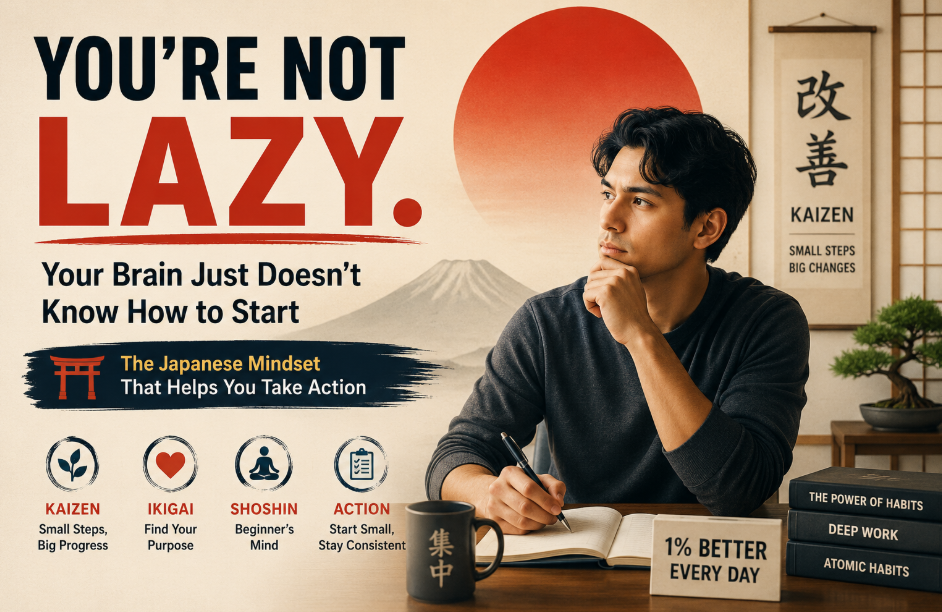
Have you ever watched dozens of motivational videos, felt inspired for a few hours, and then… did absolutely nothing?
You promised yourself:
“Tomorrow I’ll wake up early.”
“I’ll start working out.”
“I’ll finally build my business.”
But when tomorrow arrived, nothing changed.
Most people immediately label themselves as lazy.
But what if that’s not the real problem?
There’s a popular story about a Japanese master and his student.
The student said,
“Master, I am lazy. I can never finish anything.”
The master smiled and replied,
“You are not lazy. You simply don’t know when and how to begin.”
Whether this story is historical or simply a teaching tale, its message is incredibly powerful.
The biggest obstacle isn’t laziness.
It’s getting started.
Laziness Often Lives in the Mind, Not the Body
Think about it.
Can you spend three hours scrolling social media?
Can you binge-watch an entire Netflix series?
Can you chat with friends for hours?
Probably yes.
So your body clearly has energy.
But the moment it’s time to study, exercise, write, or build your dream…
Suddenly you feel tired.
Why?
Because your brain isn’t rejecting effort.
It’s rejecting uncertainty.
Your mind sees a huge task and immediately starts asking questions.
- What if I fail?
- What if it takes months?
- What if I’m not good enough?
To protect you from discomfort, your brain chooses the easiest option:
Do nothing.
Most people call this laziness.
Psychologically, it’s often avoidance.
Why Motivation Never Lasts
Motivation is an emotion.
And emotions are temporary.
A powerful video can make you excited.
A motivational speech can inspire you.
But after a few hours, your brain returns to its normal state.
That’s why millions of people consume motivational content every day while very few consistently take action.
Successful people don’t rely on motivation.
They rely on systems.
The Japanese Kaizen Philosophy
One of Japan’s most respected productivity ideas is Kaizen, which means continuous improvement through small steps.
Instead of saying:
“I’ll study for five hours.”
Kaizen says:
“Read one page.”
Instead of saying:
“I’ll work out for an hour.”
Start with one push-up.
Instead of writing an entire book…
Write one paragraph.
Small actions reduce resistance.
Once you begin, momentum naturally follows.
Starting is usually harder than continuing.
Your Brain Loves Clear, Small Tasks
Imagine standing at the bottom of Mount Everest.
Would you want to climb it?
Probably not.
Now imagine walking just ten steps.
Easy.
Your brain treats goals the same way.
Huge goals create stress.
Tiny actions create movement.
That’s why breaking big dreams into microscopic tasks works so well.
Environment Beats Willpower
Many people believe they need stronger discipline.
Often, they simply need a better environment.
If your phone is next to you, you’ll probably check it.
If your workspace is cluttered, you’ll lose focus.
If your running shoes are already by the door, you’re much more likely to exercise.
Instead of fighting yourself every day, redesign your surroundings.
Make good habits easier.
Make distractions harder.
Stop Waiting to Feel Ready
Perfectionism creates procrastination.
You tell yourself:
“I’ll start when I’m confident.”
“I’ll begin when I know everything.”
But confidence comes after action—not before it.
Every expert was once a beginner.
The first video won’t be perfect.
The first business won’t be perfect.
The first article won’t be perfect.
That’s normal.
Progress always beats perfection.
The Five-Minute Rule
Here’s a simple trick.
Promise yourself you’ll work for only five minutes.
Not an hour.
Just five minutes.
Once your brain begins, continuing becomes much easier.
The hardest part of any task is opening the first page, writing the first sentence, or taking the first step.
Final Thoughts
Maybe you’ve spent years believing you’re lazy.
Maybe you’ve blamed yourself for lacking discipline.
But what if you’ve been solving the wrong problem all along?
You don’t need endless motivation.
You don’t need to become a different person.
You simply need a way to begin.
The next time your brain tells you,
“I’ll do it tomorrow.”
Don’t argue.
Don’t overthink.
Take one tiny action.
Open the document.
Read one page.
Do one push-up.
Because success isn’t built by giant leaps.
It’s built by small actions repeated every single day.
And perhaps…
You were never lazy in the first place.
youTube Video on “Japanese Anti-Laziness Formula and Best Techniques for Productivity”
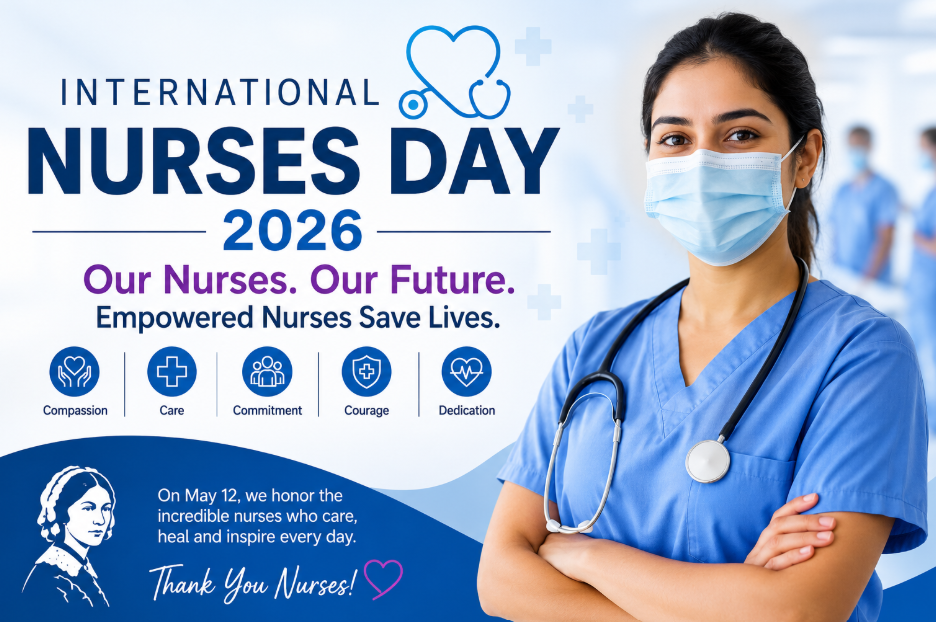
Every year on May 12, the world celebrates International Nurses Day to recognize the dedication, compassion, and sacrifices of nurses across the globe. Nurses are the backbone of healthcare systems, working tirelessly to care for patients, comfort families, and save lives.
In 2026, the importance of nurses is being highlighted more strongly than ever as healthcare systems worldwide continue to face rising challenges, workforce shortages, and increasing patient needs.
International Nurses Day 2026 Theme
According to the International Council of Nurses (ICN), the official theme for International Nurses Day 2026 is:
“Our Nurses. Our Future. Empowered Nurses Save Lives.”
This powerful theme emphasizes that empowering nurses with better working conditions, leadership opportunities, professional support, mental wellness, and proper healthcare resources directly improves patient care and saves lives worldwide.
The 2026 theme also sends a strong message that investing in nurses means investing in the future of global healthcare.
Why International Nurses Day Is Celebrated
International Nurses Day is observed on May 12 every year to honor the birth anniversary of Florence Nightingale, who is widely regarded as the founder of modern nursing.
The day was officially established by the International Council of Nurses in 1974 to celebrate the contributions of nurses to society and healthcare.
Importance of Nurses in Healthcare
Nurses play a critical role in every healthcare system. They are often the first point of care for patients and remain beside them during treatment and recovery.
Key Responsibilities of Nurses:
- Monitoring patient health
- Administering medications and treatments
- Supporting doctors and medical teams
- Providing emotional support to patients and families
- Educating patients about health and wellness
- Responding to emergencies
- Promoting preventive healthcare
From hospitals and clinics to schools, military services, emergency care, and home healthcare, nurses work everywhere to protect lives.
Why the 2026 Theme Matters
The 2026 International Nurses Day theme focuses on empowerment because nurses worldwide continue to face:
- Heavy workloads
- Mental stress and burnout
- Staff shortages
- Workplace safety concerns
- Long working hours
- Emotional pressure
Empowering nurses through better policies, fair salaries, mental health support, and leadership opportunities can improve healthcare systems globally.
How to Celebrate International Nurses Day 2026
Here are some meaningful ways people can celebrate and appreciate nurses:
1. Thank a Nurse
A simple “thank you” can mean a lot to healthcare workers who dedicate their lives to helping others.
2. Share Appreciation on Social Media
Post messages, photos, or stories using Nurses Day hashtags to spread awareness and gratitude.
3. Organize Appreciation Events
Hospitals and healthcare organizations can conduct award ceremonies, wellness programs, or recognition events for nurses.
4. Support Nurse Wellness
Encouraging better mental health support and safe working environments is one of the best ways to honor nurses.
5. Inspire Future Nurses
Educational institutions can motivate students to join the nursing profession and contribute to society.
Inspirational Quote for Nurses Day 2026
“Nurses are not just healthcare workers — they are lifesavers, healers, and the heartbeat of every hospital.”
Conclusion
International Nurses Day 2026 is not just a celebration — it is a reminder of the incredible strength, compassion, and dedication nurses show every day. The theme “Our Nurses. Our Future. Empowered Nurses Save Lives” highlights the urgent need to support and empower nurses so they can continue transforming lives and building healthier communities worldwide.
As we celebrate this special day, let us express gratitude to every nurse who works selflessly to care for humanity.
]]>
In today’s fast-moving digital world, information is everywhere — but deep thinking is becoming rare.
While millions of people spend hours scrolling through short videos and social media feeds, some of the world’s most successful leaders continue to rely on one timeless habit: reading books.
One such leader is Sundar Pichai, the CEO of Google and one of the most influential minds in the technology industry.
Known for his calm leadership style, strategic thinking, and visionary mindset, Sundar Pichai has often emphasized the importance of curiosity, learning, and continuous self-improvement. Recently, several books associated with his recommendations and reading preferences gained attention for their ability to develop smarter thinking, leadership skills, creativity, and emotional intelligence.
These books are not just for entrepreneurs or tech professionals. They are for anyone who wants to think more clearly, make better decisions, and grow mentally in 2026.
Let’s explore the 6 must-read books recommended by Sundar Pichai and understand why they matter so much.
1. The Gene: An Intimate History
Why This Book Matters
This extraordinary book explores the history of genetics and how genes influence human life, behavior, intelligence, diseases, and evolution.
Written in a deeply engaging style, the book combines science, history, ethics, and human emotion into one fascinating narrative.
In a world increasingly driven by artificial intelligence, biotechnology, and medical innovation, understanding genetics has become more important than ever.
Why Sundar Pichai Recommends It
As a technology leader, Sundar Pichai understands that the future belongs to people who can understand complex systems and scientific progress.
This book encourages:
- Analytical thinking
- Scientific curiosity
- Ethical awareness
- Deeper understanding of humanity
It teaches readers how science shapes society and why critical thinking is essential in the modern era.
Key Lesson
Knowledge is powerful when combined with responsibility and understanding.
2. A Beautiful Mind
The Story Behind the Book
This inspiring biography tells the life story of John Nash, the brilliant mathematician whose revolutionary ideas changed economics and game theory forever.
However, the book also reveals his personal struggles with mental illness and emotional challenges.
Why It Is Important
The book reminds us that intelligence alone does not guarantee happiness or peace.
It highlights:
- The complexity of the human mind
- The importance of mental health
- The power of perseverance
- The beauty of unconventional thinking
Why Sundar Pichai Values It
Innovation often comes from people who think differently.
This book shows that true genius involves creativity, resilience, and emotional strength — not just academic excellence.
Key Lesson
Great minds are often shaped through struggle, discipline, and persistence.
3. The Wright Brothers
What This Book Is About
This book tells the inspiring story of Orville and Wilbur Wright, the brothers who invented the first successful airplane.
At a time when people believed human flight was impossible, the Wright brothers dared to dream differently.
Why This Book Is Powerful
Their journey teaches:
- Persistence during failure
- Innovation through experimentation
- Courage to challenge public opinion
- The importance of curiosity
Why Sundar Pichai Recommends It
Technology and innovation are built by people willing to take risks and solve impossible problems.
The story of the Wright brothers reflects the same mindset that drives companies like Google: constant experimentation and fearless innovation.
Key Lesson
Every breakthrough begins with someone who refuses to accept limitations.
4. Born a Crime
About the Book
This memoir by comedian and television host Trevor Noah describes his childhood in apartheid South Africa.
Born during a time when interracial relationships were illegal, Trevor Noah faced discrimination, poverty, and social injustice from an early age.
Yet the book is filled with humor, wisdom, and emotional depth.
Why Readers Love It
The book beautifully explores:
- Identity and belonging
- Family relationships
- Social inequality
- Emotional resilience
- Finding hope in difficult circumstances
Why Sundar Pichai Appreciates It
Leadership is not only about technology and business. It is also about understanding people, cultures, emotions, and society.
This book builds empathy and emotional intelligence — qualities essential for modern leadership.
Key Lesson
Your circumstances do not define your future.
5. The Lean Startup
Why Entrepreneurs Love This Book
This book transformed the startup world by introducing the idea that businesses should launch quickly, test ideas rapidly, and improve continuously.
Instead of waiting for perfection, entrepreneurs are encouraged to learn through action.
Important Concepts
The book teaches:
- Build fast
- Test quickly
- Learn continuously
- Adapt to feedback
- Avoid wasting time and resources
Why Sundar Pichai Recommends It
Google itself thrives on experimentation and innovation.
The Lean Startup mindset encourages flexibility, creativity, and smart decision-making — essential qualities in today’s fast-changing world.
Key Lesson
Progress comes from action, not perfection.
6. Trillion Dollar Coach
What Makes This Book Special
This book shares leadership lessons from Bill Campbell, the legendary business coach who mentored Silicon Valley leaders including Steve Jobs, Eric Schmidt, and others.
Rather than focusing only on profits or strategies, the book emphasizes human-centered leadership.
What It Teaches
Readers learn:
- How to build strong teams
- The importance of trust
- Effective communication
- Emotional intelligence in leadership
- Mentoring and supporting others
Why Sundar Pichai Values It
Google’s culture strongly emphasizes collaboration, empathy, and people-first leadership.
This book reflects the idea that great companies are built by great relationships.
Key Lesson
The best leaders help others grow.
Why Reading Books Still Matters in 2026
In the age of AI, social media, and endless distractions, many people are losing the ability to focus deeply and think critically.
Books train the brain differently.
Unlike short-form content, books require patience, concentration, imagination, and reflection.
Reading regularly can help improve:
- Decision-making skills
- Creativity
- Communication
- Emotional intelligence
- Problem-solving ability
- Mental discipline
Successful leaders like Sundar Pichai understand that reading is not just about gaining information — it is about transforming the way we think.
Final Thoughts
The six books recommended by Sundar Pichai are more than just popular titles. Each one teaches a unique life lesson about intelligence, leadership, innovation, resilience, and human understanding.
Whether you are a student, entrepreneur, creator, professional, or simply someone looking for personal growth, these books can help you develop a smarter and more balanced mindset in 2026.
The world changes quickly, but one thing remains timeless:
People who continue learning continue growing.
And books remain one of the most powerful tools for lifelong learning.
FAQ Section
Which book by Sundar Pichai is best for entrepreneurs?
The Lean Startup is one of the best books for entrepreneurs because it teaches innovation, experimentation, and business growth strategies.
Are these books suitable for beginners?
Yes. Most of these books are written in an engaging and accessible style suitable for general readers.
Why does Sundar Pichai recommend reading books?
Reading helps improve thinking ability, decision-making, creativity, and leadership skills.
Which book is best for personal growth?
Born a Crime and Trillion Dollar Coach are excellent choices for emotional growth and leadership development.
]]>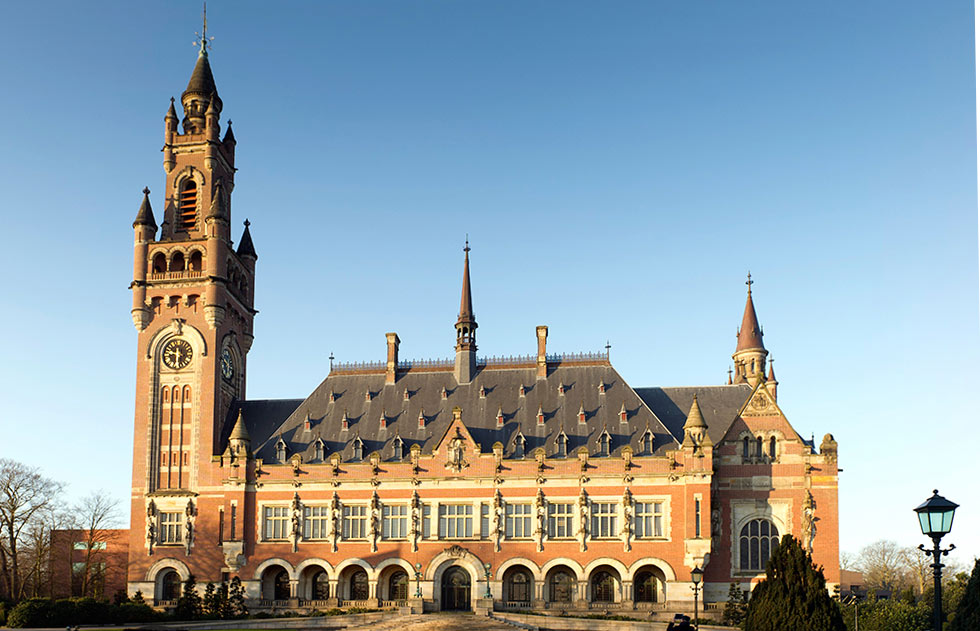
Pic Credt: https://www.icj-cij.org/home
Background: What Is the ICJ and Why This Case Matters?
The International Court of Justice (ICJ), the principal judicial organ of the United Nations, issued a landmark advisory opinion in July 2025. This case was brought forth by small island nations like Vanuatu, Tuvalu, and Antigua & Barbuda, in collaboration with over 130 other countries.
These nations asked the ICJ to clarify what legal obligations countries have under international law to combat climate change, particularly in light of its disproportionate impact on vulnerable nations.
What Did the ICJ Rule?
On July 23, 2025, the ICJ ruled that:
- Countries have binding legal obligations under international law to prevent climate-related harm.
- Failure to act on climate change violates fundamental human rights, including:
- Right to life
- Right to food
- Right to water
- Right to a healthy environment
- Both current and future generations must be protected under these obligations.
- Nations are not only accountable for their domestic emissions, but also for global contributions, including:
- Emissions from companies headquartered within their borders.
- Overseas fossil fuel investments.
- Supply chains and outsourced production emissions.
Legal Foundations Used by the ICJ
The ICJ grounded its opinion in:
- The United Nations Framework Convention on Climate Change (UNFCCC)
- The Paris Agreement
- Customary International Law
- Various human rights treaties including the:
- International Covenant on Civil and Political Rights (ICCPR)
- International Covenant on Economic, Social and Cultural Rights (ICESCR)
Implications for the World
1. Global Climate Lawsuits Will Surge
This ruling provides legal ammunition for climate activists, communities, and NGOs to:
- Sue governments over weak climate policies
- Hold corporations accountable for indirect climate damage
2. Pressure on Major Polluters
Countries like the U.S., China, India, and EU members are now under global legal pressure to:
- Strengthen climate targets
- Phase out fossil fuels faster
- Provide reparations or adaptation funds to vulnerable nations
3. Future of Fossil Fuel Investments
This could spark a massive divestment wave, with financial institutions re-evaluating:
- Oil and gas exploration
- Fossil fuel subsidies
- Infrastructure like pipelines and coal plants
Expert Reactions
Greta Thunberg called it “a defining moment in history — justice for our generation.”
Mary Robinson, former UN High Commissioner for Human Rights, said:
“This judgment reframes climate change not just as a political issue, but as a fundamental matter of justice and human dignity.”
UN Secretary-General António Guterres stated:
“This advisory opinion will guide the conscience of the international community in safeguarding our planet.”
Real-Life Impact: What Happens Next?
| Region/Nation | Likely Actions |
|---|---|
| Pacific Island States | Seek financial compensation and stronger international climate funding. |
| EU Nations | Face internal legal challenges if climate targets are not met. |
| Big Corporations | Could be held liable for Scope 3 emissions (supply chain emissions). |
| UN Frameworks | May be updated to align with ICJ principles in upcoming COP30. |
Conclusion
The ICJ’s ruling is not legally binding like a court verdict in a lawsuit, but it carries enormous moral, political, and legal weight. It’s a powerful reminder that climate justice is no longer just an activist demand — it is a legal and ethical obligation of nations and institutions worldwide.
]]> Introduction: What is USA Today?
USA Today is one of the most recognized and widely circulated newspapers in the United States. Known for its colorful layout, concise articles, and visually engaging format, it has played a significant role in modern journalism since its launch in 1982.
Founded by Allen Neuharth and published by the Gannett Company, USA Today set out to redefine how news was delivered to a nationwide audience — with an emphasis on brevity, accessibility, and visual appeal.
 Who Founded USA Today?
The newspaper was the brainchild of Allen Neuharth, a visionary journalist and executive at the Gannett Company. He wanted to create a newspaper that catered to a fast-paced, modern America — something that was easy to read and could be consumed quickly during a busy commute or coffee break.
Founded on: September 15, 1982
Publisher: Gannett Company
Founder: Allen Neuharth
 What Makes USA Today Unique?
USA Today stood out from traditional newspapers right from the start. Here’s why:
1. Colorful and Visually Engaging Layout
At a time when most newspapers used black-and-white formats, USA Today featured full-color charts, graphs, and photographs.
2. Bite-Sized News
Articles were short, crisp, and to the point, designed for readers who wanted a quick overview of the news.
3. Infographics and USA Snapshots
The paper became famous for its daily infographic called “USA Snapshot”, which visually summarized interesting statistics and facts.
4. National Focus
Unlike regional papers, USA Today provided national and international coverage, making it accessible across all 50 states and beyond.
 Sections in USA Today
USA Today is organized into four major sections that cater to a wide range of interests:
- News: National and global updates
- Money: Business, finance, and market trends
- Sports: Sports scores, analysis, and events
- Life: Entertainment, culture, and lifestyle
They also launched USA Today Sports Weekly and USA Today International, expanding their brand globally.
 Digital Expansion and Modern Presence
USA Today quickly adapted to the digital era. Today, their official website usatoday.com and mobile apps offer breaking news, videos, podcasts, and interactive graphics. Their online platform reaches millions of daily readers and continues to shape public opinion across America.
 Awards and Recognition
Over the years, USA Today has received several journalism awards for its innovative reporting style and commitment to reader-friendly journalism. It remains a trusted name in American households, businesses, and academic institutions.
 Conclusion: A Newspaper That Changed the Game
USA Today didn’t just report the news — it transformed the way news was packaged and consumed in America. With its modern look, fast-paced reporting style, and national reach, it has become an essential part of the American media landscape.
Whether in print or online, USA Today continues to inform, engage, and entertain its readers across the globe.
]]>
Early Life and Path to Priesthood
Born on December 17, 1936, in Buenos Aires, Argentina, to Italian immigrant parents, Jorge Mario Bergoglio was the eldest of five children. He attended a technical secondary school and earned a diploma as a chemical technician. Before entering the seminary, he worked in various roles, including as a bouncer and janitor. At 21, he underwent surgery to remove part of a lung due to severe pneumonia. In 1958, he joined the Society of Jesus (Jesuits) and was ordained a priest in 1969.Vatican City+1Wikipedia+1Wikipedia+1Vatican City+1
Rise to the Papacy
Bergoglio became Archbishop of Buenos Aires in 1998 and was created a cardinal in 2001 by Pope John Paul II. Known for his humility and advocacy for the poor, he was elected the 266th pope in March 2013, choosing the name Francis in honor of St. Francis of Assisi. He was the first Jesuit pope, the first from the Americas, and the first non-European pope in over a millennium.ABC News
Emphasis on Mercy and Inclusivity
Pope Francis prioritized mercy, compassion, and inclusivity throughout his papacy. He emphasized these values in his 2016 apostolic exhortation, Amoris Laetitia, and through various initiatives aimed at reaching marginalized communities. His approach sought to balance traditional doctrine with a pastoral sensitivity to individual circumstances.Time+1The Guardian+1
Social Justice and Environmental Advocacy
A staunch advocate for social justice, Pope Francis addressed issues such as poverty, inequality, and climate change. His 2015 encyclical, Laudato Si’, called for urgent action to protect the environment and combat global warming. He also spoke out against war, the arms trade, and the death penalty, urging global solidarity and peace.The Guardian
Reforms and Challenges
Pope Francis implemented significant reforms within the Vatican, aiming to increase transparency and accountability. He restructured the Roman Curia through the 2022 constitution Praedicate Evangelium, promoting a more missionary and service-oriented Church. He also addressed the clergy sexual abuse crisis, meeting with survivors and establishing new protocols, though some critics felt more decisive action was needed.TimeAP News
Outreach to Marginalized Groups
Demonstrating a commitment to inclusivity, Pope Francis reached out to LGBTQ+ individuals, divorced and remarried Catholics, and other marginalized groups. He emphasized that the Church should be a “field hospital” offering healing and acceptance rather than judgment. His approach sparked both praise and criticism within the global Catholic community.
Global Influence and Legacy
Pope Francis’s influence extended beyond the Catholic Church. He engaged in interfaith dialogue, improved relations with other Christian denominations, and addressed global audiences on pressing issues. His emphasis on compassion, humility, and social justice resonated with many worldwide, positioning him as a moral leader in turbulent times.
Conclusion
Pope Francis’s papacy was characterized by a profound commitment to mercy, reform, and outreach to the marginalized. His efforts to modernize the Church while staying rooted in its core teachings have left a lasting impact. As the world reflects on his legacy, Pope Francis is remembered as a transformative figure who sought to bring the Church closer to the people it serves.Time+1The Guardian+1
]]>NASA astronauts Sunita Williams and Barry “Butch” Wilmore have successfully returned to Earth after an extended nine-month mission aboard the International Space Station (ISS). Originally scheduled for a short stay, their mission was prolonged due to technical issues with Boeing’s Starliner spacecraft. The crew finally made a safe landing, marking a significant milestone in space exploration.
Safe Return to Earth
The astronauts returned aboard SpaceX’s Dragon Freedom capsule, which splashed down safely off the coast of Florida near Tallahassee at 5:57 PM ET on Tuesday (3:27 AM IST, Wednesday). The landing was marked by a rare and heartwarming sight—a pod of dolphins surrounded their capsule as they awaited recovery.
Extended Stay Due to Technical Issues
Williams and Wilmore were initially set for a short-duration mission, but technical malfunctions with the Boeing Starliner’s thrusters forced them to remain aboard the ISS for an extended period. This unexpected extension tested their endurance, adaptability, and problem-solving skills in microgravity.
Scientific Contributions and Record-Breaking Achievements
During their prolonged stay, the astronauts:
- Conducted numerous scientific experiments related to human spaceflight, biology, and technology.
- Participated in spacewalks, contributing to ISS maintenance and research.
- Sunita Williams set a new record for the most spacewalking time by a female astronaut, totaling 62 hours in space.
Health Challenges of Prolonged Space Missions
Spending an extended period in microgravity poses various health risks, including:
- Bone density loss
- Muscle atrophy
- Vision problems
- Space radiation exposure
Despite these challenges, both astronauts maintained high spirits and continued contributing valuable research data for future deep-space missions.
Global Recognition and Appreciation
Williams and Wilmore’s safe return has been celebrated globally. In India, Defense Minister Rajnath Singh praised Sunita Williams, calling her “India’s daughter” and highlighting her resilience in space exploration. Her achievements continue to inspire aspiring astronauts and scientists worldwide.
Significance of the Mission
This mission underscores the importance of international collaboration in space exploration and highlights the challenges astronauts face in extended missions. The lessons learned will play a crucial role in future lunar and Mars missions, helping space agencies refine their strategies for long-duration human spaceflights.
Best Video of Sunita Williams Safe Return on YouTube
Conclusion
The safe return of Sunita Williams and Barry Wilmore is a testament to human resilience and the power of science. Their contributions to space exploration will pave the way for future missions beyond Earth’s orbit. With the successful completion of this mission, NASA and its partners continue to push the boundaries of space travel, making deep-space exploration a closer reality.
]]>The Gerewol Festival is a vibrant and unique courtship ritual celebrated by the Wodaabe people, a nomadic Fulani ethnic group found in Chad, Niger, Nigeria, and other parts of Central Africa. This week-long festival, held at the end of the rainy season, showcases beauty, endurance, and love in an extraordinary way. Unlike traditional cultural events, Gerewol places women in a position of power, allowing them to choose their partners based on a man’s appearance, grace, and stamina.
The Wodaabe People: Guardians of Tradition
The Wodaabe, also known as the “Taboo People,” are among the last true nomadic tribes in the world. Their livelihood revolves around cattle herding, and their constant search for fresh pastures dictates their migration patterns. Despite the challenges of a nomadic lifestyle, they have preserved their rich traditions, with Gerewol being one of their most celebrated customs.
What Happens at the Gerewol Festival?
At first glance, Gerewol may seem like a beauty contest for men, but it is much more than that. It is a highly competitive courtship ritual where young men adorn themselves in elaborate costumes, apply intricate face paint, and perform hypnotic dances to impress marriageable women.
1. Beauty Standards and Preparation
- The Wodaabe have distinct beauty standards for men, which include:
- Tall height and a lean physique
- Symmetrical facial features
- White teeth and bright, wide eyes
- Preparation for the festival is intense. Men spend hours applying makeup using natural pigments, enhancing their eyes and teeth to appear more attractive. Mirrors play a crucial role in ensuring they achieve their ideal look.
2. The Hypnotic Yaake Dance
- The highlight of the festival is the Yaake dance, where men stand in a line, swaying rhythmically while exaggerating their facial expressions to showcase their beauty.
- This dance requires immense stamina, as performances can last for hours under the scorching Sahel sun.
- Women carefully observe the dancers, judging their confidence, appearance, and endurance before making their choice.
The Role of Women in Gerewol
Unlike many patriarchal societies, the Wodaabe women hold significant power in the courtship process. During the Gerewol Festival:
- Women have complete autonomy in selecting their partners based on attraction.
- Some unions formed at Gerewol lead to marriage, while others remain temporary romantic encounters.
- The festival serves as an opportunity for young people to find partners outside their immediate clan.
Where and When Does the Gerewol Festival Take Place?
The festival is not bound to a fixed location, as the Wodaabe’s nomadic nature means its venue changes yearly. However, it is most commonly held in Chad, Niger, Nigeria, and Cameroon at the end of the rainy season, typically around September or October.
How to Experience the Gerewol Festival as a Tourist
For those intrigued by this extraordinary festival, experiencing it firsthand requires careful planning:
- Travel Arrangements: Since the exact location varies, it is advisable to book a guided tour with experts familiar with the Wodaabe people.
- Accommodation: Expect rustic conditions, with basic tents and communal dining setups.
- Climate Considerations: The desert environment can be harsh, with extreme temperatures, so appropriate preparation is essential.
Why the Gerewol Festival Matters
In an era where globalization is rapidly altering indigenous cultures, the Gerewol Festival stands as a powerful testament to the resilience of traditional customs. It is not just about beauty or romance—it symbolizes the endurance, pride, and communal spirit of the Wodaabe people.
Conclusion
The Gerewol Festival is one of the world’s most unique and mesmerizing cultural celebrations. From the hypnotic Yaake dance to the women’s powerful role in choosing their partners, it offers a fascinating glimpse into a tradition that defies conventional norms. If you ever have the opportunity to witness this magical event, it will undoubtedly be an unforgettable experience.
Have you ever attended a cultural festival as extraordinary as Gerewol? Share your experiences, or tell us which festival you’d love to witness in person!
Pic Credit: fatherlandgazette
]]>What is Norovirus?
Norovirus is the leading cause of foodborne illnesses in the U.S., responsible for approximately 58% of such cases annually. It spreads easily, with as few as 10 viral particles capable of infecting a person. Outbreaks often occur in settings where people are in close proximity, such as nursing homes, cruise ships, schools, and prisons.
Symptoms of Norovirus Infection
Symptoms of a norovirus infection typically appear 12 to 48 hours after exposure and include:
- Sudden vomiting
- Diarrhea
- Nausea
- Stomach pain
- Body aches
- Headache
- Fever
Most people recover within one to three days, but the virus can cause severe dehydration, especially in vulnerable groups like young children, older adults, and individuals with weakened immune systems.
Why Are Cases Increasing?
Experts suggest that increased gatherings during the holiday season, after years of reduced social interactions due to the pandemic, might be driving the rise in cases. Norovirus outbreaks are more common from November to April, peaking in February.
How Does Norovirus Spread?
The virus spreads through:
- Direct contact with an infected person.
- Consuming contaminated food or water.
- Touching surfaces or objects contaminated with the virus.
Who is at Risk?
While anyone can contract norovirus, certain groups are at higher risk, including:
- Young children
- Elderly individuals
- Those with weakened immune systems
Dehydration is a major concern. Symptoms of dehydration include:
- Reduced urination
- Dry mouth and throat
- Dizziness, especially when standing
- Unusually sleepy or fussy behavior in children
How Can You Protect Yourself?
The best defense against norovirus is prevention. Follow these steps:
- Practice Good Hygiene: Wash hands with soap and warm water for at least 20 seconds, especially before eating or preparing food.
- Disinfect Surfaces: Use household disinfectants to scrub contaminated surfaces.
- Avoid Contaminated Food and Water: Ensure food is properly cooked and water sources are clean.
- Stay Home When Sick: Prevent spreading the virus by isolating yourself during illness and avoiding preparation of food for others.
When to Seek Medical Attention
If symptoms of dehydration occur, such as decreased urination or severe dizziness, seek medical care immediately. Young children with reduced tears or unusual fussiness should also be evaluated by a healthcare provider.
This article highlights key facts about norovirus and offers practical advice for protecting yourself and others during this outbreak season. Stay informed and take precautions to reduce the spread of this highly contagious virus.
]]>
The Armistice of 1918, also known as the Armistice of Compiègne, was an agreement that effectively ended the fighting on the Western Front of World War I. The armistice was signed on November 11, 1918, at the 11th hour of the 11th day of the 11th month. This timing was symbolic and was meant to take effect at the moment chosen to cease hostilities.
Key points about the Armistice of 1918
- Ceasefire Agreement: The armistice was a ceasefire agreement between the Allies, including France, the United Kingdom, and the United States, and Germany. It marked the cessation of hostilities on the Western Front, bringing an end to the intense and prolonged fighting that had characterized World War I.
- Signed in a Railway Carriage: The armistice negotiations took place in a railway carriage parked in the Forest of Compiègne in France. The choice of location was deliberate, as it symbolized a temporary and neutral space for the signing of the agreement.
- Terms of the Armistice: The terms of the armistice included the withdrawal of German forces from territories occupied during the war, the surrender of significant military equipment, and the release of Allied prisoners of war. The agreement also imposed strict conditions on the German military, limiting its size and capabilities.
- End of World War I: The armistice effectively ended the active fighting on the Western Front, leading to celebrations across the Allied nations. The formal peace treaty, the Treaty of Versailles, was later signed on June 28, 1919, in the Palace of Versailles, officially concluding World War I.
- Commemoration as Armistice Day: The significance of the armistice led to the establishment of Armistice Day, which later evolved into Remembrance Day in Commonwealth countries and Veterans Day in the United States. November 11 is observed annually to honor the military personnel who served and sacrificed during World War I and subsequent conflicts.
The Armistice of 1918 remains a poignant historical moment, representing the hope for peace after years of devastating warfare.
]]>