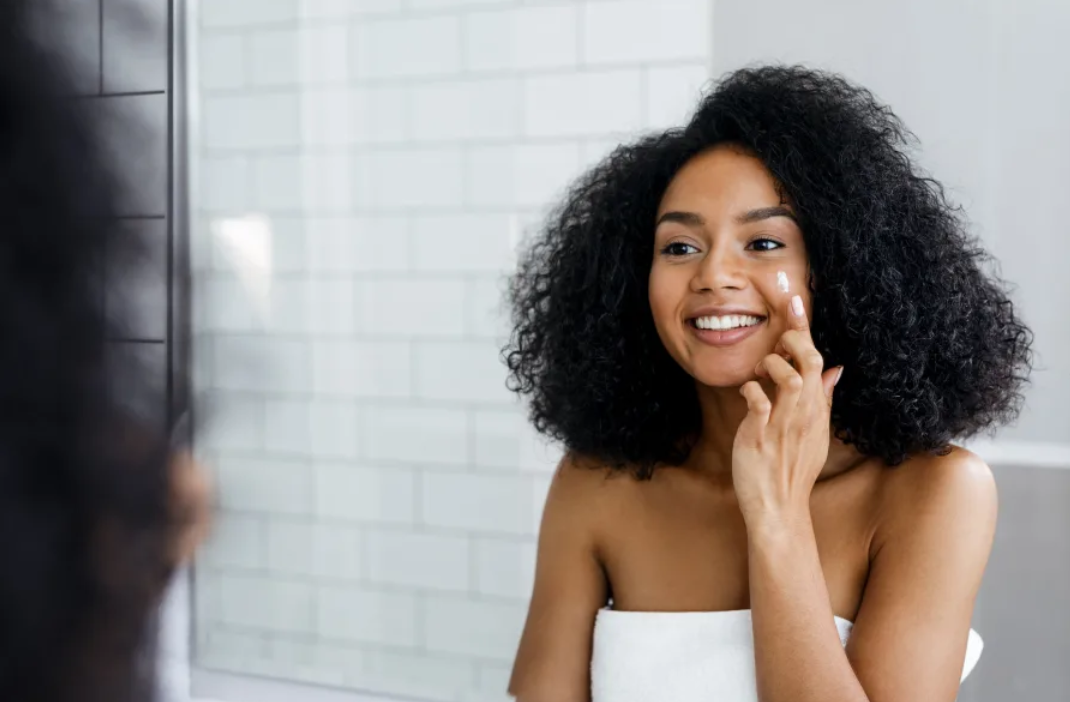
As we get older, youthful glowing skin can be seen as a luxury wasted on the young, but if we start taking care of our skin early, it’s easier to get than you’d think. The critical period after adolescent acne and before signs of aging show up is the best time to start taking steps to preserve the glowing skin of youth. We spoke to Beverly Hills dermatologist Jeanette Black, MD to find out the most effective steps 20-somethings can take to preserve their skin in the long run. It turns out there are many effective preventative measures from lifestyle choices to injectables that anyone can (and should) adopt.
It’s Never Too Early for Prevention
- Until recently, the focus of anti-aging treatments has been on treating signs of aging once they have appeared, but millennials are leading the charge in a more preventative approach to their health and skin care. Dr. Black says that prevention can start as early as childhood by parents applying sunscreen to prevent sun damage and the habit should carry on into teenage years and adulthood.
- “I always counsel young parents to apply sunscreen on their children regularly and it is also important to teach older children and young adults about the benefits of wearing daily sunscreen,” she says. This is the best preventative measure anyone can take to combat the signs of aging and it is never too early to start. ”Protecting skin against UV exposure is not only useful for preventing signs of aging, it is also important to avoid skin cancer,” says Dr. Black.
- She recommends applying sunscreen with an SPF of at least 30 on a daily basis to all exposed skin, but particularly on areas prone to sun exposure like the face, neck and chest. Lightweight gel and cream formulas specifically made for daily use can be beneficial for those who feel that regular sunscreen can be too heavy.
- With all the options in the market today, there is something for everyone and “the best sunscreen is the one that you will actually wear,” says Dr. Black.
Tips To Maintain Youthful Skin In Your 20’s
- Create a Skincare Routine That Works for You
Your twenties is the best time to get in the habit of taking care of your skin by developing a regular skincare routine. But don’t feel pressure to go overboard. According to Dr. Black, it’s best to keep things simple. “In general, it is important to understand what ingredients you are using in your skin care products and what potential benefits and risks come with them,” she says.
“Young patients might experience acne or begin to develop sensitivities or allergic reactions to certain ingredients.” It’s important to learn how active ingredients in skin care work for you at an early age, so you can adapt as your skin ages and develops different needs. An ideal, and simple, skin care routine for a 20-something is cleanser, toner, eye cream, a moisturizing cream at night, and an SPF moisturizer in the morning.
If you have specific skin complaints, you can add in targeted serums, but Dr. Black stresses that keeping things simple is key for young skin and can help develop good habits.
One ingredient to consider adding your routine if you want extra fire power is a retinol or retinoid. Many acne treatments contain these ingredients and people tend to pick them up during their teenage years, but stop using them as their skin improves with age. Consistent use helps in skin cell turnover and the release of dead skin cells, both of which offer great cosmetic benefits. Retinoids have been shown to help prevent signs of aging, improve skin texture, and yes, control breakouts. Look for a serum or cream that contains retinol or a retinoid and gradually add it to your routine (they can sometimes cause irritation if introduced too fast).
-
Preventative Injectables
- Botox® (botulinum toxin) is not only used to treat visible signs of aging, it can also be helpful as a preventative treatment for patients in their 20’s. “Botulinum toxin injections are used to minimize excessive facial movements that lead to etched-in fine lines in the skin,” says Dr. Black. “Depending on the patient’s facial muscles and anatomy, botulinum toxin treatments may be initiated at a range of different ages. Patients with strong muscle movements may seek treatment years before someone with less dynamic muscle movements.”
- If you’re considering treatment, ask a dermatologist to check your skin and muscle movements and advise if any particular areas should be treated preventatively. “Many patients in their 60’s, 70’s, and 80’s tell me how much they wish they had access to preventative cosmetic botulinum toxins when they were younger and first started noticing lines on their skin,” says Dr. Black.
- As the popularity of preventative injectables grows, the desired result from these treatments is different for younger patients. It is not about reversing visible lines but about preventing their appearance in the first place.
- There are other non-invasive treatments that can help preserve youthful looking skin as well. “In-office resurfacing with chemical peels and laser treatments can help to restore damaged skin,” says Dr. Black. These non-invasive procedures can help control the natural aging process, especially when done regularly over time.
-
Pay Attention To Your Skin
- There is a tendency to be complacent when your skin looks great, like in your 20’s, before signs of aging start to appear. But Dr. Black says we should pay attention to our skin as an indicator of what is going on inside our bodies too. “Our skin is the ‘check engine’ light for our bodies and healthy skin is beautiful skin,” she says.
- “Our skin has innate regenerative healing abilities, but it is only as healthy as we are. Healthy diets and avoiding tobacco use and excessive alcohol consumption can help our skin to look its best. Regular exercise can keep our circulation optimal and that is important for our skin as well. Our skin also needs to have a healthy supply of nutrients.” Any steps you’re taking (or not) to look after yourself physically and mentally can also show in your skin. Regular detoxes may be helpful when looking to maintain youthful skin.
- Cutting out caffeine, soy and refined sugar can help give your skin a break and allow it to recover naturally if you’ve noticed inflammation or breakouts. Including other common foods can be added to your diet to take care of your skin from the inside out: – Avocados are rich in monounsaturated fatty acids which can reduce signs of aging skin.
- Dark chocolate contains antioxidant flavonoids that fight free radicals and as a result can help to protect skin from sun damage. – Lentils are rich in iron and protein, both of which are vital for maintaining glowing and youthful looking skin.
- Chia seeds contain protein, fiber and high levels of Omega 3, all of which are necessary for healthy skin.
- Almonds have high levels of flavonoids and vitamin E which can both act as antioxidants.
-
Know Your History
“Be aware of your family history of skin cancers and other skin issues,” says Dr. Black. “Knowing your risks can be important. For instance, many patients choose to screen for skin cancers more frequently if there is significant family history. These kinds of risks could additionally make the use of certain products like sunscreen even more necessary.”
Ask your family about any skin conditions you could be genetically predisposed to. It is important to always discuss possible conditions with your dermatologist as they may impact suggested treatment plans.
If you take good care of your skin from an early age, there is nothing to say you will not be able to protect yourself from any of these conditions by working closely with a dermatologist and following a good skin care routine.
This article was earlier published at How To Maintain Youthful Skin In Your 20’s
]]>