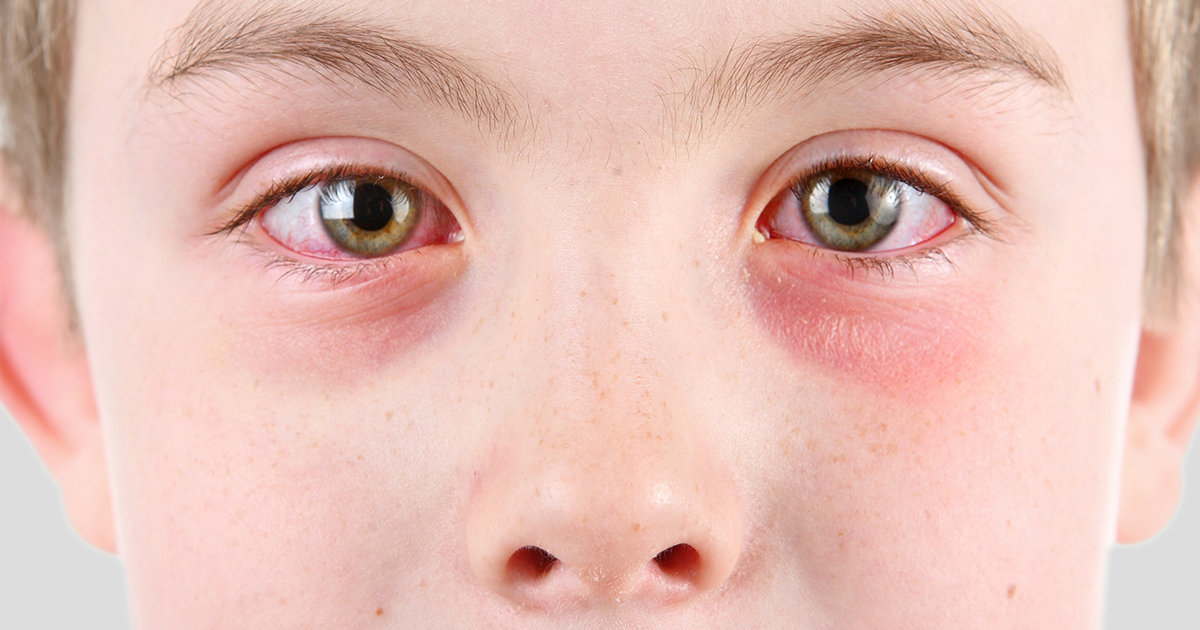
What is Conjutivitis?
Conjunctivitis is an inflammation of the conjunctiva, the thin clear tissue that lines the inside of the eyelid and covers the white part of the eye. It can be caused by viruses, bacteria, allergens, or irritants. To avoid eye flu (conjunctivitis), you can follow the tips mentioned in the previous response. These measures will help protect your eyes and reduce the risk of contracting any eye-related infections during the rainy season or in any other circumstances.
What is Pink Eye?
Pink eye is commonly used to refer to conjunctivitis, which is an inflammation of the conjunctiva, the thin clear tissue that covers the white part of the eye and lines the inside of the eyelids. It can be caused by viruses, bacteria, or allergens.
Symptoms of Pink Eye
The symptoms of pink eye can include redness in the eyes, itching, a gritty feeling, excessive tearing, and sometimes a discharge that can be green or yellow (bacterial) or clear or white (viral). Allergies can also cause pink eye, leading to redness and itching in the eyes.
Pink eye can indeed be contagious and can spread from person to person through direct or indirect contact with the infected person’s eye secretions. While mild cases of pink eye may resolve on their own, more severe or persistent cases may require medical attention and treatment.
Treatment for pink eye often involves the use of eye drops or ointments, which may contain antibiotics for bacterial infections or antiviral medications for viral infections. Allergic conjunctivitis can be managed with antihistamine eye drops or other allergy medications.
It’s crucial to consult an ophthalmologist or eye doctor if you suspect you have pink eye or experience any eye infection symptoms. They can properly diagnose the condition and recommend the appropriate treatment to alleviate symptoms and prevent further complications.
Causes of Pink Eye
Pink eye can be caused by various factors, including:
- Viral or bacterial infections
- Allergies to pollen, dust, pet dander, or other irritants
- Contact lens wear, especially when proper hygiene is not maintained
- Exposure to irritating substances like smoke or chemicals
- Infection spread from the nose or throat
3 Types of Pink eye or Conjunctivitis
As mentioned above, a pink eye is often a result of infection due to bacteria or virus, and sometime can be due to allergic reaction. Therefore, treatment to conjunctivitis varies and depends upon the type and cause behind it ie, bacteria or virus.
1. Virus Conjunctivitis
- More contagious and can spread through respiratory droplets from the nose and throat.
- Takes a few days before the eye becomes pink but can infect others quickly.
- Typically lasts for a few days to a couple of weeks and is not responsive to antibiotics.
Treatment of Viral Pink Eye
- Use lubricating eye drops to relieve dryness in the eye.
- Apply hot or cold compresses to soothe the eye.
2. Bacterial Conjunctivitis
Responsive to antibiotics and can be cured with eye drops or ointment in most cases.
Treatment of Bacterial Pink Eye
- Antibiotic eye drops or ointments are commonly prescribed for bacterial conjunctivitis.
3. Allergic Conjunctivitis
- Caused by an allergic reaction to substances like pollen, household dust, perfumes, or specific foods.
- Leads to symptoms such as watery eyes, running nose, sore throat, burning sensation, redness, and light sensitivity.
Types of Allergic Pink Eye
- Acute Allergic Conjunctivitis: Causes more itching, swelling, and burning sensation in the eyes.
- Chronic Allergic Conjunctivitis: Results in itching and burning due to allergies from food, dust, or other triggers.
Common Causes of Allergic Conjunctivitis
- Pollen
- Household dust
- Perfumes, deodorants, or other spray chemicals
- Specific foods like bananas, eggs, dairy products, etc.
It’s essential to identify the type of pink eye correctly to determine the appropriate treatment approach. While viral conjunctivitis may not require antibiotics, bacterial conjunctivitis typically responds well to them. Allergic conjunctivitis, on the other hand, requires management of the underlying allergy with avoidance of triggers and sometimes antihistamine medications.
If you experience symptoms of pink eye or suspect an eye infection, it’s essential to seek advice from an eye doctor for a proper diagnosis and treatment plan.
3 Common Skin Problems in Monsoon Season
10 Home Remedies to cure conjunctivitis/Pink eye
However, kids are more susceptible to conjunctivitis but it can happen to any age group of people. Sometimes it is not possible to prevent it from happening. We can follow the following home remedies to cure conjunctivitis.
- Don’t share towels, comb or personal belongings with the infected person
- Wash bed sheets and cushions
- Lubricate eyes with ointment and wash with clean water
- Drink a lot of water to hydrate body
- Apply cold compresses to your eyes
- Wash hands and follow hygiene
- Close windows to avoid pollen
- Use indoor air purifier to avoid allergic conjunctivitis
- Avoid using deodorants, perfumes etc., that can cause allergic conjunctivitis
- Clean your house to make it dust-free