Chandrayaan‑4: India’s Modular Moon Mission Set to Redefine Space Exploration
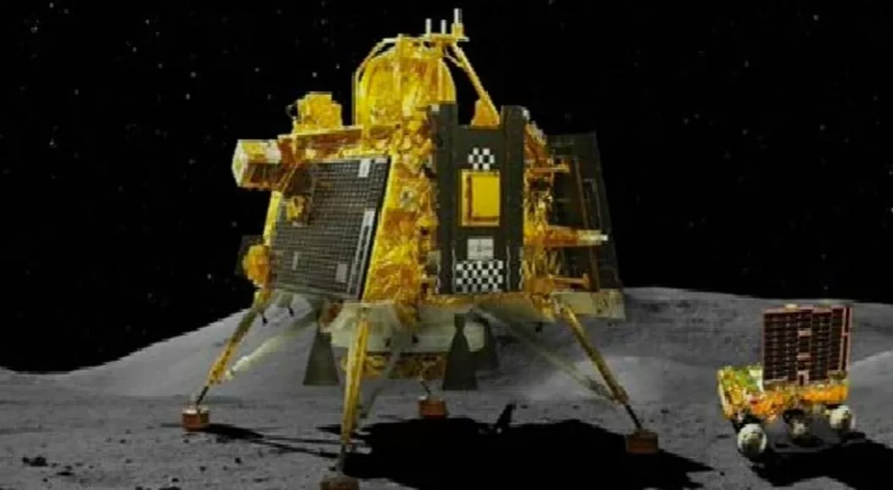
Introduction: A Giant Leap for India, Again
Image Credit: jagranjosh
After the groundbreaking success of Chandrayaan‑3, which made India the first country to land near the lunar south pole, the Indian Space Research Organisation (ISRO) is now aiming even higher with Chandrayaan‑4—a mission that could make India the first country to deploy a modular lunar base.
The world is watching, and millions are talking. Let’s dive into why Chandrayaan‑4 is the most exciting topic in space right now.
Mission Overview: What Is Chandrayaan‑4?
- Mission Name: Chandrayaan‑4
- Objective: Deploy India’s first modular moon base
- Launch Date (Expected): Late 2026 or early 2027
- Modules Planned: Landing, Surface Habitat, Energy & Communication
- Mission Type: Robotic and possibly crew-supported in the future
Chandrayaan‑4 is not just about landing—it’s about staying. Unlike previous missions, this one aims to assemble structures on the lunar surface, opening the door to long-term lunar exploration.
Global Impact: Why the World Is Watching
Trending Like Never Before
- Over 3 million online mentions in two weeks
- Discussions dominating Twitter/X, Reddit, YouTube, and global space forums
- Surge in online searches for “India moon base” and “Chandrayaan‑4”
Strategic Importance
- Positions India alongside the US, China, and ESA as a space superpower
- Advances ISRO’s collaboration potential with NASA, JAXA, and ESA
- Could lead future international missions from India’s lunar base
Technological Advancements
Chandrayaan‑4 will showcase India’s engineering strength with innovations like:
- Autonomous Assembly: Robots and AI systems to self-assemble modules
- Dust-Resistant Solar Arrays: For sustainable energy in harsh conditions
- Thermal Protection Systems: To withstand lunar nights of −170°C
- Lunar Communication Satellites: For uninterrupted Earth link
These technologies aren’t just futuristic—they are essential for lunar survival.
The Modular Moon Base: A New Vision
ISRO’s concept includes:
- Habitat Modules: Pressurized for future human habitation
- Energy Units: Solar panels and energy storage
- Command Center: For robotic control and communication
- Scientific Lab: For lunar geology and solar radiation study
Think of it as “IKEA meets the Moon”—everything prebuilt, shipped, and assembled on-site.
Scientific Goals
- Study lunar surface composition and water ice deposits
- Monitor cosmic radiation for human safety
- Test technologies for Mars and deep-space missions
- Establish long-term data on Moon’s seismic activity
Challenges Ahead
- Extreme Temperatures: From +120°C to −170°C
- Communication Delays: Need for autonomous decision-making
- Lunar Dust: Fine particles that can damage electronics and machinery
- Budget & International Politics: High costs and potential collaboration hurdles
ISRO is actively addressing these through simulations and international knowledge sharing.
What It Means for India and the World
- National Pride: Boosts morale and interest in science/STEM fields
- Economic Opportunities: Opens new doors for Indian startups in space tech
- Global Partnerships: Strengthens ties with countries in space exploration
- Future Human Missions: Lays foundation for manned missions to Moon and Mars
Conclusion: India’s Future Is Lunar
Chandrayaan‑4 isn’t just about rockets and robots—it’s a symbol of ambition, innovation, and global leadership. It represents India’s transformation from a regional player to a trailblazer in space exploration.
The Moon is no longer unreachable. And India is getting ready to build a home there.
Related Posts


About The Author

Omilights
Omilights love to post every informative piece of information on the website. We want to connect the world by way of reading and sharing information, that is why we have not restricted our postings to one or more categories. We will post whatever would be useful and happening round the world, and also hoping for your valuable feedback and comments.