ICJ Declares Climate Inaction a Violation of International Law: A Detailed Breakdown
In a historic 2025 ruling, the International Court of Justice declared that climate inaction violates international law and human rights. Discover how this judgment will reshape global climate policy and legal accountability.
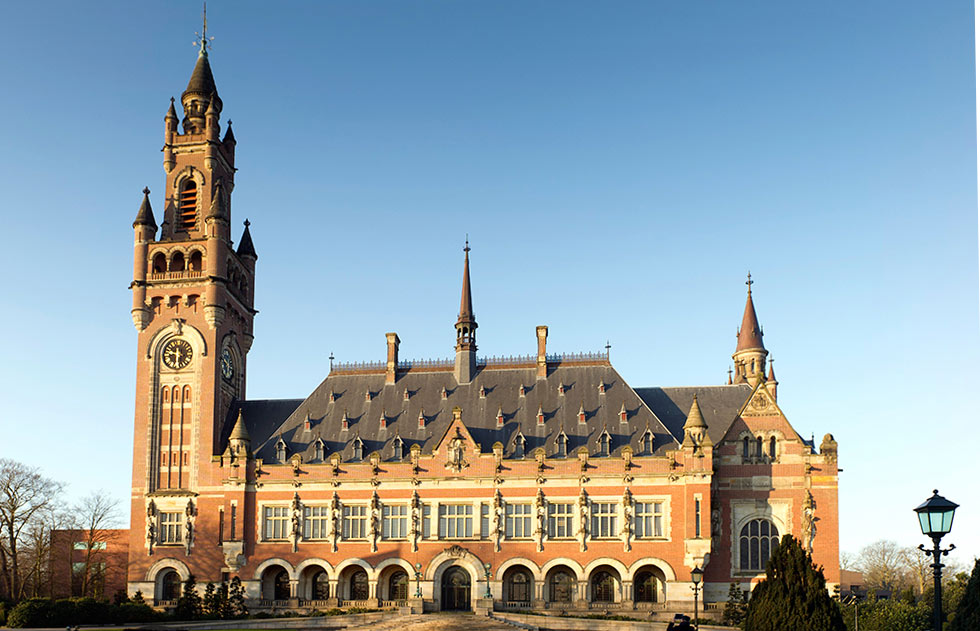
Pic Credt: https://www.icj-cij.org/home
Background: What Is the ICJ and Why This Case Matters?
The International Court of Justice (ICJ), the principal judicial organ of the United Nations, issued a landmark advisory opinion in July 2025. This case was brought forth by small island nations like Vanuatu, Tuvalu, and Antigua & Barbuda, in collaboration with over 130 other countries.
These nations asked the ICJ to clarify what legal obligations countries have under international law to combat climate change, particularly in light of its disproportionate impact on vulnerable nations.
What Did the ICJ Rule?
On July 23, 2025, the ICJ ruled that:
- Countries have binding legal obligations under international law to prevent climate-related harm.
- Failure to act on climate change violates fundamental human rights, including:
- Right to life
- Right to food
- Right to water
- Right to a healthy environment
- Both current and future generations must be protected under these obligations.
- Nations are not only accountable for their domestic emissions, but also for global contributions, including:
- Emissions from companies headquartered within their borders.
- Overseas fossil fuel investments.
- Supply chains and outsourced production emissions.
Legal Foundations Used by the ICJ
The ICJ grounded its opinion in:
- The United Nations Framework Convention on Climate Change (UNFCCC)
- The Paris Agreement
- Customary International Law
- Various human rights treaties including the:
- International Covenant on Civil and Political Rights (ICCPR)
- International Covenant on Economic, Social and Cultural Rights (ICESCR)
Implications for the World
1. Global Climate Lawsuits Will Surge
This ruling provides legal ammunition for climate activists, communities, and NGOs to:
- Sue governments over weak climate policies
- Hold corporations accountable for indirect climate damage
2. Pressure on Major Polluters
Countries like the U.S., China, India, and EU members are now under global legal pressure to:
- Strengthen climate targets
- Phase out fossil fuels faster
- Provide reparations or adaptation funds to vulnerable nations
3. Future of Fossil Fuel Investments
This could spark a massive divestment wave, with financial institutions re-evaluating:
- Oil and gas exploration
- Fossil fuel subsidies
- Infrastructure like pipelines and coal plants
Expert Reactions
Greta Thunberg called it “a defining moment in history — justice for our generation.”
Mary Robinson, former UN High Commissioner for Human Rights, said:
“This judgment reframes climate change not just as a political issue, but as a fundamental matter of justice and human dignity.”
UN Secretary-General António Guterres stated:
“This advisory opinion will guide the conscience of the international community in safeguarding our planet.”
Real-Life Impact: What Happens Next?
| Region/Nation | Likely Actions |
|---|---|
| Pacific Island States | Seek financial compensation and stronger international climate funding. |
| EU Nations | Face internal legal challenges if climate targets are not met. |
| Big Corporations | Could be held liable for Scope 3 emissions (supply chain emissions). |
| UN Frameworks | May be updated to align with ICJ principles in upcoming COP30. |
Conclusion
The ICJ’s ruling is not legally binding like a court verdict in a lawsuit, but it carries enormous moral, political, and legal weight. It’s a powerful reminder that climate justice is no longer just an activist demand — it is a legal and ethical obligation of nations and institutions worldwide.
Related Posts




About The Author

Omilights
Omilights love to post every informative piece of information on the website. We want to connect the world by way of reading and sharing information, that is why we have not restricted our postings to one or more categories. We will post whatever would be useful and happening round the world, and also hoping for your valuable feedback and comments.